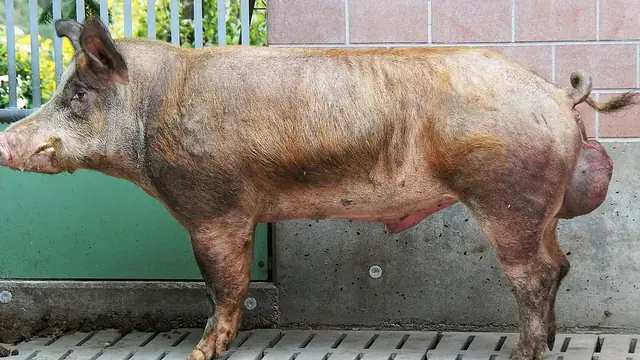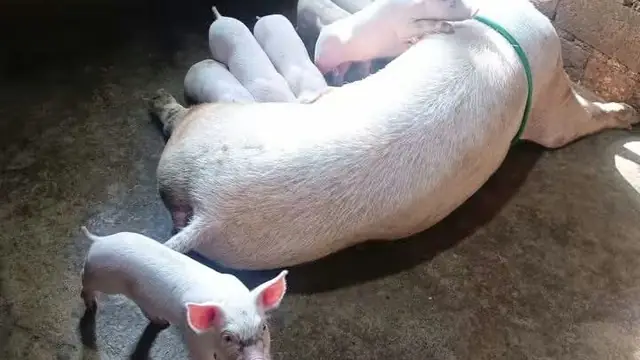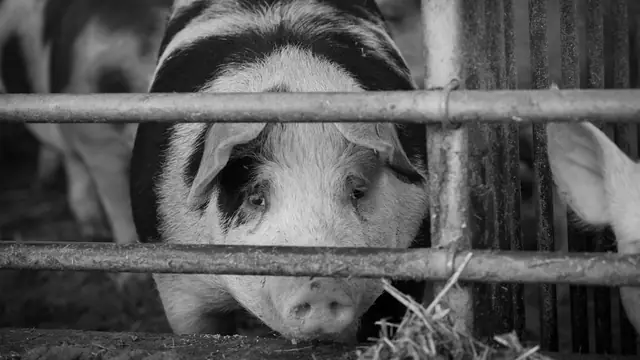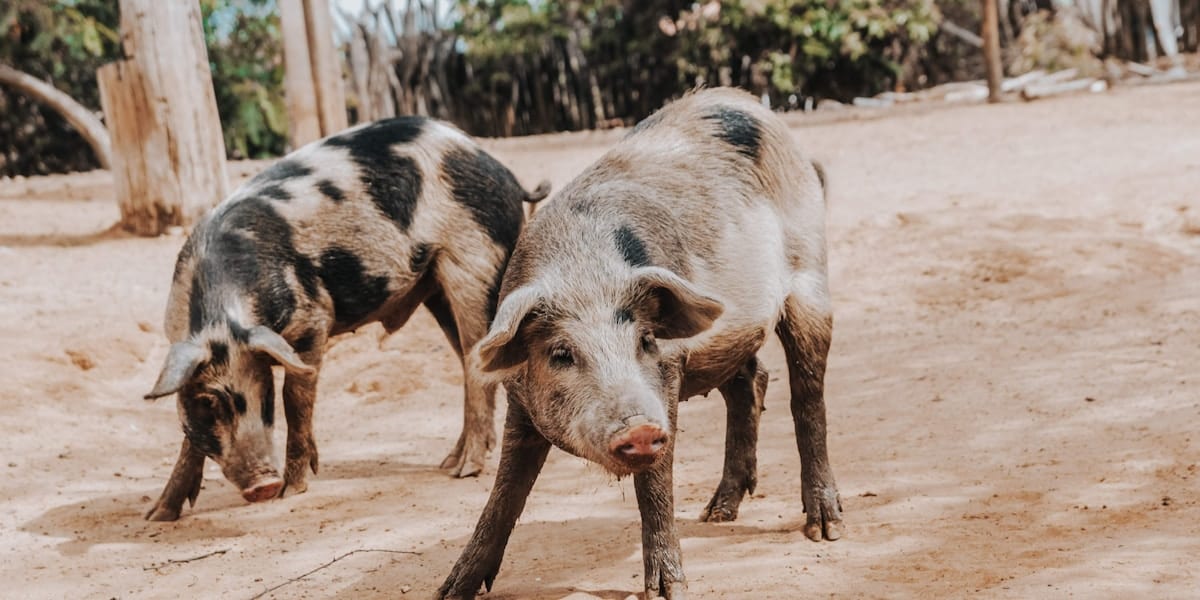
If you are raising native pigs in the Philippines, one of the first things you will notice is the smaller litter compared to commercial breeds. A native sow might give you four or five piglets while your neighbor's Landrace cross delivers ten.
This makes some farmers think native pigs are not worth breeding. Wrong. But you do need to know the real numbers to plan properly.
"Gamay ra gyud ang baktin sa baboy bisaya, pero lami kaayo ang karne." (Native pigs have fewer piglets, but the meat tastes much better.)
What the Research Shows: All Six PAB-IS Breeds
DOST-PCAARRD's Philippine Animal Breed Information System (PAB-IS) tracks six developed native pig breeds. Litter size varies a lot by breed and management. Here are the numbers from actual Philippine research:
| Native Breed | Avg Litter Size | Birth Weight | Weaning Weight | Source |
|---|---|---|---|---|
| Markaduke (Marinduque) | 7 piglets (up to 10.1 at 3rd parity) | n/a | n/a | PAB-IS; PJVAS 2022 |
| ISUbela (Isabela) | 7 piglets | 0.77 kg | 3.00 kg at 34 days | PAB-IS |
| Q-Black (Quezon) | 6.4 ± 1.7 | 0.84 kg (heaviest) | 4.79 kg at 45 days | PAB-IS |
| Sinirangan® (Eastern Samar) | 5.4 ± 2.6 (range 3–8) | 0.50 kg | 2.44 kg at 48 days | PAB-IS; Ordanel et al. 2024 |
| Benguet Native | 4–5 | 0.77 kg | n/a | PAB-IS |
| Yookah® (Kalinga) | 4 piglets | n/a | n/a | PAB-IS |
| Commercial crosses (Large White × Landrace) | 8–12 | 1.2–1.5 kg | 6–8 kg at 28 days | Lanada et al. 2005 |
The standout for litter size is the Markaduke from Marinduque. A study of 70 litter records from 10 Markaduke sows (2015–2021) found total litter size peaked at 10.1 piglets at 3rd parity, with 9.9 born alive (PJVAS 2022). That is competitive with commercial crosses.
For birth weight, Q-Black from Quezon leads at 0.84 kg per piglet, followed by Benguet and ISUbela at 0.77 kg. The Sinirangan averages just 0.50 kg, which means those piglets need extra care in the first week. Litter size is one column of several, and the six strains side by side carries the rest, weaning and 180-day weight included, along with the gaps where PAB-IS publishes nothing. See why piglets die in the first week for practical survival tips.
The smallest breed overall is Yookah from Kalinga, averaging only 4 piglets and reaching just 15 kg at 180 days. Sus, that is a very small pig, but it is culturally significant and thrives on minimal inputs in the Cordillera highlands.
The Economics: Why Fewer Piglets Does Not Mean Less Money
Here is where the math gets interesting. Native pigs sell at a discount per kg liveweight compared to commercial breeds, but they command a serious premium as whole lechon.
| Market Channel | Native Pig | Commercial Cross | Difference |
|---|---|---|---|
| Liveweight farmgate | ₱140–170/kg | ₱185–220/kg | Commercial wins by ₱30–50/kg |
| Lechon (whole, Cebu) | ₱12,500–16,500 per head | ₱8,000–15,100 per head | Native wins by ₱1,400–4,000+ |
| Lechon per kg (retail) | ₱990+/kg at top shops | ₱700–850/kg | Native wins by ₱140–290/kg |
| Weaner price | ₱1,500–3,000/head | ₱2,500–5,000/head | Commercial higher per head |
Lechon pricing from Rico's Lechon Cebu and Cebu lechon shop price lists as of December 2025, quoted as a range because every shop prices by size. Liveweight figures from PSA Q3 2025 and Baboy PH market data.
A Markaduke sow with 7 piglets per litter, sold as lechon-size native pigs at ₱12,500 each, grosses ₱87,500 per litter. A commercial sow with 10 piglets sold at ₱172.44/kg × 90 kg = ₱15,520 each grosses ₱155,196, but feed costs are dramatically higher. Native pigs that forage and eat kitchen scraps can cut your feed bill by 40–60%.
And lechon bisaya buyers are loyal. Top lechon makers like Boarcher in Cebu roast only native pigs because the skin crisps better and the meat has more flavor. That is not changing.
Free Tool
Pig Profit Simulator
Run two scenarios with your actual feed cost: a 7-piglet Markaduke litter sold to lechoneros at ₱12,500/head, versus a 10-piglet commercial litter sold at ₱172.44/kg liveweight, PSA's Q2 2026 national average. The native math wins more often than people expect at backyard scale.
Why Native Litters Are Typically Smaller
A few things reduce litter size in backyard conditions:
- Inbreeding. In many barangays, the same boar services every sow for years. FAO research shows inbreeding can reduce litter size by 25–50% over several generations. This is the single biggest factor.
- Poor nutrition during gestation. Native sows that forage on scraps and greens without protein supplementation produce fewer piglets. A gestating sow needs at least 14% crude protein in her diet.
- Early sexual maturity. Native gilts can show heat as young as 4–5 months. Breeding too early means smaller litters from underdeveloped sows.
- No breeding records. Without tracking breeding dates, farmers miss optimal timing and cannot identify poor-performing sows.
- Low pre-weaning survival. Philippine smallholder studies report 12.8–19% pre-weaning mortality (Lanada et al. 2005). Both Black Tiaong and Kalinga native breeds showed lower stillbirths and mummified piglets than commercial breeds in conservation farm trials, but backyard conditions are rougher.
How to Improve Litter Size
If you are keeping native pigs for breeding, these steps make a measurable difference:
1. Rotate your boar. Replace or exchange boars every 1–2 years with an unrelated animal. Your Municipal Agriculturist can help with boar loan programs. Provincial governments in Negros Occidental and other pig-producing provinces have breeder loan programs that deliver boars to improve genetics. If no boar is available locally, contact your nearest PCAARRD-affiliated institutional farm.
2. Try artificial insemination. The DA's AI sa Barangay program has set up 16 AI centers across Western Visayas alone, with more in other regions. AI eliminates the disease risk of hauling a boar from farm to farm and gives you access to genetics you could not afford otherwise. Ask your MAO or ATI regional office about availability.
3. Feed the sow properly during gestation. Supplement with copra meal or fish meal for protein. A gestating sow needs higher nutrition than a fattener. Budget about ₱30–50/day in supplemental feed during the last month of pregnancy.
4. Do not breed gilts before 8 months. Even though native gilts show heat at 4–5 months, waiting until they are physically mature improves litter size and piglet survival. In the Markaduke study, sows averaged about 13 months of age at their first farrowing, so a gilt bred at 8 to 9 months and carrying to term lines up with that. Wait for the second or third standing heat, not the first.
5. Keep breeding records. Write down: date bred, boar used, litter size, piglets weaned. After 3–4 litters you will know which sows to keep and which to cull. The PCAARRD PAB-IS system even has a web-based recording tool that registered farmers can use.
6. Consider crossbreeding carefully. A Duroc boar on a native sow produces F1 piglets that grow faster while keeping the native sow's heat tolerance and mothering ability. But maintain a separate purebred native line for conservation. The PNAD program under BAI exists specifically to conserve and improve native breeds, so do not crossbreed your entire herd.
Where to Source Improved Native Breeding Stock
If you want better genetics without crossbreeding, these are the institutional sources for each PAB-IS breed:
- Markaduke: Marinduque State University (MarSU), Torrijos, Marinduque. MarSU and DOST-PCAARRD recently launched the Markaduke Breeding Project to expand production to other MIMAROPA provinces.
- Q-Black: BAI National Swine and Poultry R&D Center, Tiaong, Quezon. Contact: Rico M. Panaligan.
- Sinirangan®: ESSU Sinirangan Native Pig Center, Sitio Diyo, Brgy. Tabunan, Borongan City, Eastern Samar. Contact: [email protected]
- ISUbela: Isabela State University, San Fabian, Echague, Isabela. Contact: Dr. Joel L. Reyes.
- Yookah®: Kalinga State University, Kalinga.
- Benguet Native: Benguet State University, La Trinidad, Benguet.
For financing, LandBank's SWINE lending window offers loans for pig raisers, and the DA INSPIRE program (Integrated National Swine Production Initiatives for Recovery and Expansion) provides breeding stock grants and support for repopulation after ASF losses.
Bisaya / Cebuano
Para sa mga mag-uuma (For farmers)
Ang native nga baboy sa Pilipinas kasagaran moanak og 4–7 ka baktin kada panganak. Pero ang Markaduke breed gikan sa Marinduque nakaanak og hangtod 10 ka baktin sa ikatulo nga panganak, competitive na sa commercial breeds.
Kung gusto nimo modaghan ang baktin sa imong anay:
- Ilisan ang toriyong (boar) kada 1–2 ka tuig para dili mag-inbreed
- Pakan-a og sakto ang anay samtang nagburos, copra meal o fish meal para sa protein
- Ayaw pa-anaka ang gilt kung wala pa 8 ka bulan ang edad
- Sultihi ang Municipal Agriculturist bahin sa boar loan program o AI sa Barangay
Ang native nga baboy gamay og anak pero mas mahal ang karne, labi na para sa lechon bisaya. Ang Boarcher sa Cebu nagbaligya og ₱12,500–₱16,500 kada native lechon.
Learn More
- Best pig breeds for small farmers in the Philippines: a comparison of all native and commercial breeds
- Native vs commercial pig farming systems: which system fits your farm
- Why piglets die in the first week: survival tips for the critical first days
- Pig farming profit: real numbers for 10 pigs: economics for small batches
- Browse native pig breeds: full breed profiles and litter benchmarks
Sources: DOST-PCAARRD Philippine Animal Breed Information System (PAB-IS); Manila Bulletin May 2022, Markaduke breed; Perlas & Robles 2022, Reproductive performance of Markaduke sows in different parities, PJVAS 48(1); Ordanel et al. 2024, Sinirangan native pig traits; Bondoc et al. 2017, Farrowing performance of Black Tiaong and Kalinga breeds, PJVAS 43(1); Lanada et al. 2005, Philippine smallholder pig production, Preventive Veterinary Medicine; FAO Animal Genetics on inbreeding and litter size; Rico's Lechon Cebu price list, Dec 2025; PSA farmgate price of pigs, Q3 2025; DA INSPIRE program; LandBank SWINE lending window; BAI PNAD program.