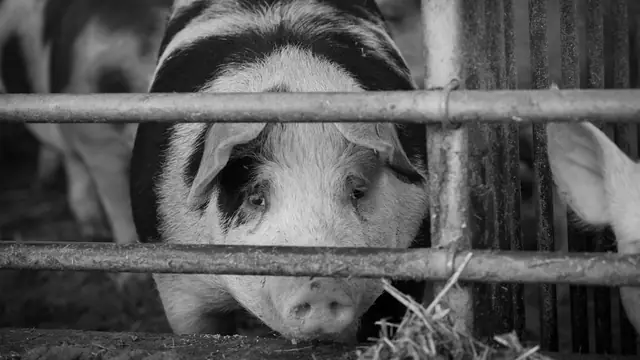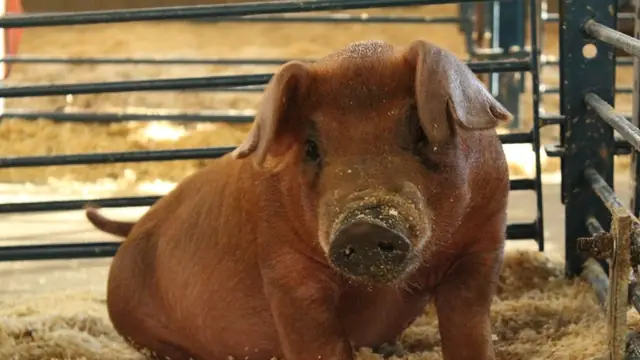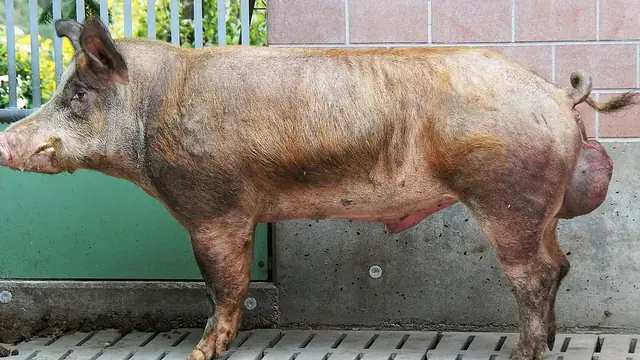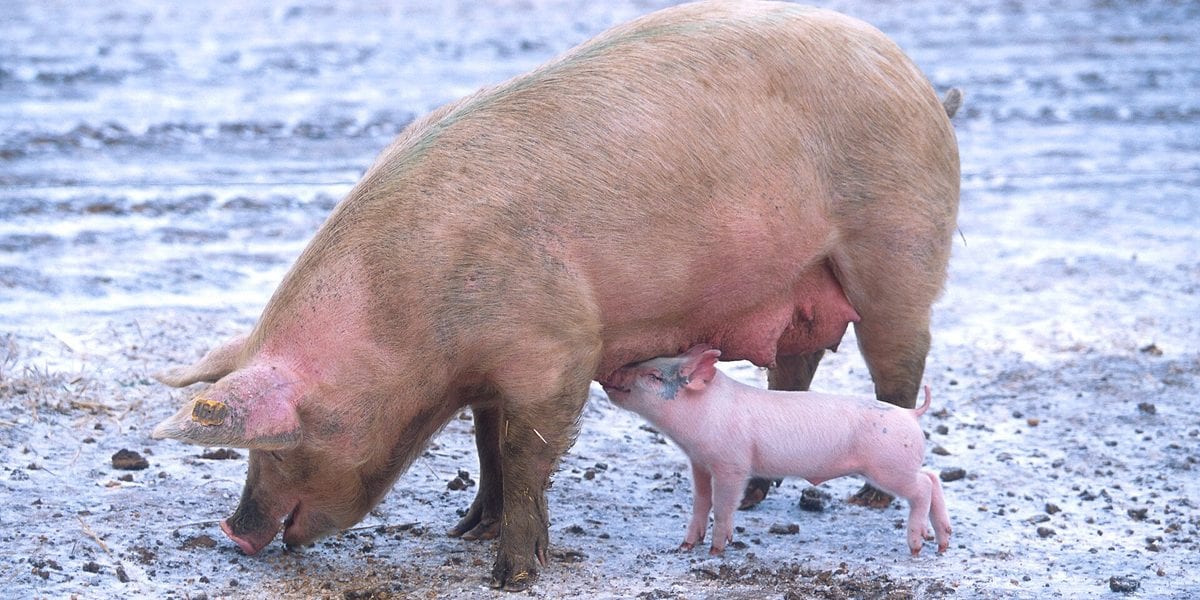
The most reliable sign your sow is pregnant: she does not return to heat 21 days after mating. Pig gestation runs 114 days (3 months, 3 weeks, 3 days), normal range 112-117. Guess wrong and you waste ₱7,000 to ₱8,500 in gestation feed at ₱60-75 daily. There is no backyard blood test, but the day-21 check is close to ultrasound-accurate.
"Nagburos na ang anay." (The sow is already pregnant.)
The 21-Day Test: No Return to Heat
This is the most reliable early indicator available to backyard farmers without ultrasound equipment.
A sow's heat cycle is approximately 21 days. If she was successfully bred, she will not show heat signs at the 21-day mark. If she shows heat again (restlessness, swollen vulva, mounting behavior, standing still when you press on her back) she did not conceive, and you need to breed her again.
Mark the breeding date on your calendar immediately. Then watch carefully at days 18-24.
"Gipanglaway na ang anay." (The sow is drooling/in heat.) This is what you do not want to see at the 21-day check.
A study of AI technicians in Eastern Visayas found that 96% confirmed pregnancy simply by waiting to see if the sow returned to heat. Ultrasound can detect pregnancy as early as day 24-28 with near-100% accuracy, but most LGUs don't offer swine ultrasound services yet. The 21-day heat check is still the standard for backyard farmers across the Philippines.
Progressive Signs Through Pregnancy
Weeks 1-3: No visible signs
Nothing externally visible. The only test is the 21-day heat check. Be patient.
Weeks 4-8: Behavioral changes
- Calmer temperament, less restless, less interest in the boar
- Increased appetite, eating more than usual
- Weight gain begins, steady increase concentrated in the body (not legs)
Weeks 8-12: Physical changes become visible
- Belly begins to enlarge and drop, noticeable from around day 60-70
- Teats become more prominent, slight enlargement
- Steady weight gain as a pregnant sow gains 30-50 kg over the full gestation
If you're not sure whether the belly is pregnancy or just fat, try feeling for fetal movement after day 80-90. Place your hand on the lower right side of the belly (the sow should be standing) and press gently. With real pregnancy, you can sometimes feel kicks or rolling movement. No movement by day 90 is a warning sign.
Weeks 13-16 (last month): Obvious signs
- Large, low-hanging belly, unmistakable at this point
- Udder development as teats swell, especially in the last 2 weeks. They fill from the rear teats forward.
- Milk letdown test: from about 24-48 hours before farrowing, you can gently squeeze a teat and express milk or waxy colostrum. This confirms farrowing is imminent.
- Nesting behavior where the sow becomes restless, paws at bedding, gathers straw or materials
- Vulva swells, may show mucus discharge in the final 24 hours
- Restlessness with lying down, standing up, lying down again in the 12-24 hours before delivery
The 114-Day Rule
Pig gestation is remarkably consistent: 114 days, easy to remember as 3 months, 3 weeks, and 3 days.
Normal range is 112-117 days. First-time gilts sometimes farrow 1-2 days earlier.
Research confirms that even Philippine summer heat (30-36°C) does not significantly change gestation length. But heat stress during pregnancy does increase stillbirths and lower birth weights, so keep your pregnant sow cool with shade, ventilation, and water access. That matters more than worrying about the due date shifting.
If you know the breeding date, the due date is simple math. Write the breeding date down. Seriously, it is the single most important record in pig breeding. Most farmers I've talked to who had problems at farrowing time couldn't tell me when the sow was bred.
Watch Out for False Pregnancy
This catches some farmers off guard. A sow can show all the early signs of pregnancy, including no return to heat, some udder development, and even abdominal enlargement, but produce no piglets at the end.
Pseudo-pregnancy happens when embryos are conceived but resorbed early (around days 10-35). The sow's body continues to act pregnant for the full 115+ days.
Common causes in Philippine backyard settings:
- Moldy feed with estrogenic mycotoxins (a real risk in humid tropical storage). Keep feed dry and use within 2-3 weeks of opening.
- PRRS infection. If multiple sows are showing false pregnancies, consult your municipal vet about PRRS testing and vaccination.
- Heat stress during early pregnancy (days 1-13 after mating are the highest-risk window for embryo loss)
How to tell the difference from real pregnancy:
| Sign | Real Pregnancy | False Pregnancy |
|---|---|---|
| No return to heat at day 21 | Yes | Yes (same) |
| Fetal movement at days 80-90 | Detectable (kicks, rolling) | None |
| Udder development (last 2 weeks) | Pronounced, teats fill rear to front | Mild or absent |
| Milk expression at day 112-114 | Colostrum present | No milk |
If your sow reaches day 80 with no detectable fetal movement and minimal udder development, she may not be truly pregnant. An ultrasound scan at this point can confirm, but most backyard farmers just wait until the due date and see. If nothing happens by day 120, she's open. Breed her at the next heat. If she does abort before the due date, the sow abortion guide covers the first-hour response and how to narrow the cause.
Preparing for Farrowing
Start preparing 7 days before the due date:
- Move the sow to a clean farrowing pen. At least 2m x 2.5m. Scrub the floor with lime (apog) before she enters.
- Install guard rails with a horizontal bar 20-25 cm from the wall and 25 cm above the floor. This prevents crushing, which kills 12-19% of piglets in Philippine backyard operations together with scours.
- Provide bedding like rice straw or dried banana leaves. Never bare concrete for farrowing.
- Reduce feed slightly in the last 2-3 days before expected farrowing. A full gut makes delivery harder.
- Ensure abundant clean water. A farrowing sow needs more water than at any other time.
Farrowing Supplies Checklist
Have these ready before the due date. Total cost is around ₱800-1,200 for supplies that cover multiple litters:
| Supply | What For | Est. Cost | Where to Buy |
|---|---|---|---|
| Iron dextran 100ml (Iron-Vet, Feradit) | Inject piglets day 2-3, prevents anemia | ₱600-670 | Viddavet, vet supply stores |
| Betadine/povidone iodine 60ml | Navel dipping | ₱170 | Any pharmacy |
| Clean rags or towels | Drying piglets | ₱50-100 | — |
| Thread or dental floss | Tying umbilical cord | ₱30-50 | — |
| Clean scissors (sterilized) | Cutting cord | ₱50-100 | — |
| Heat lamp or 100W bulb | Piglet warmth, first 48 hours | ₱150-300 | Hardware store |
For more on iron injection technique and timing, see our pig injection guide.
About oxytocin: Some farmers keep oxytocin (₱400-1,000 per vial) on hand to speed up farrowing. Do not use it too early. Giving oxytocin before at least one piglet has been born naturally can cause violent contractions that rupture umbilical cords and increase stillbirths. If the sow has been straining for over an hour without delivering, call your vet before reaching for oxytocin. Our dystocia (difficult farrowing) guide covers when to intervene manually versus when to wait, and the warning signs that mean a piglet is stuck.
Common Problems
Sow has no milk after farrowing (agalactia)
If the sow does not let down milk within a few hours of farrowing, piglets will starve. Causes include mastitis, metritis, or severe stress. This is a veterinary emergency. Call your municipal vet immediately.
Too many piglets for available teats
Average litter is 8-12 piglets, but sows have 12-14 functional teats. In large litters, the weakest piglets get pushed off. Cross-foster to another sow that farrowed around the same time, or bottle-feed with commercial milk replacer or fresh goat's milk.
Inbreeding
Very common in barangays where one boar services all sows for years. Inbred litters are smaller, piglets are weaker, and stillbirths increase. Replace or exchange boars every 1-2 years. The DA's AI sa Barangay program offers access to genetically superior semen at around ₱200 per service, which solves this problem and improves genetics at the same time.
Bisaya / Cebuano
Para sa mga mag-uuma
Unsaon pagkahibalo kung nagburos na ang anay (sow)?
- 21 ka adlaw human sa pagpahabal, kung wala na mobalik ang heat (init), nagburos na siya
- 2 ka bulan, magsugod og dako ang tiyan, mokalma ang kinaiya
- 3 ka bulan, klaro na gyud nga dagko ang tiyan, modako ang mga suso
- 114 ka adlaw, manganak na. (3 ka bulan, 3 ka semana, 3 ka adlaw)
Importante gyud: isulat dayon ang petsa sa pagpahabal! Kung dili nimo mahinumduman, dili nimo makalkula kung kanus-a manganak.
Bantay sa false pregnancy: Kung walay mailhang kalihok sa tiyan pagsulod sa day 80-90, ug dili modako ang mga suso, basin dili gyud buntis. Usik og ₱7,000-8,500 sa feeds kung maghulat ka og 114 ka adlaw para walay mahitabo.
Bago manganak: limpyohi ang tangkal, butangi og guard rail, andama og trapo, Betadine (₱170), ug iron injection (₱600-670 ang 100ml).
Learn More
- How to tell when your sow is in heat for heat detection and breeding timing
- When is a gilt ready to breed? for age, weight, and body condition guidelines
- How many piglets does a native pig have? on litter size by breed
- Why piglets die in the first week on preventing neonatal mortality
- Pig injection guide for iron dextran technique
- Best pig breeds for small farmers on breeding traits by breed
- Pig vitamins and supplements for gestating sow nutrition
Sources: pig333.com: Pregnancy Detection in Sows, Merck Veterinary Manual: Breeding Management of Pigs, The Pig Site: Be Careful with Oxytocin Use in Sows, PMC: AI Practices in Eastern Visayas, Nature: Heat Stress and Placental Insufficiency in Swine, ScienceDirect: Reproductive Performance of Philippine Smallholder Sows, Pork Information Gateway: Pregnancy Diagnosis in Swine, AlagangBaboy: False Pregnancy on Pigs, Viddavet: Iron-Vet, DA-ATI Swine Production Training Modules.