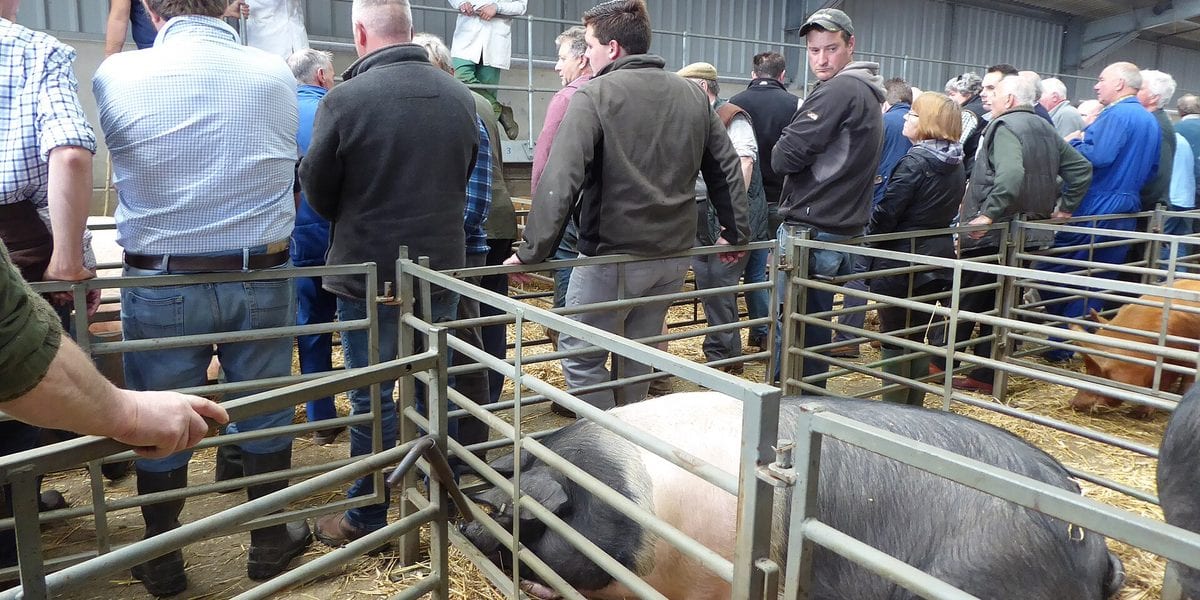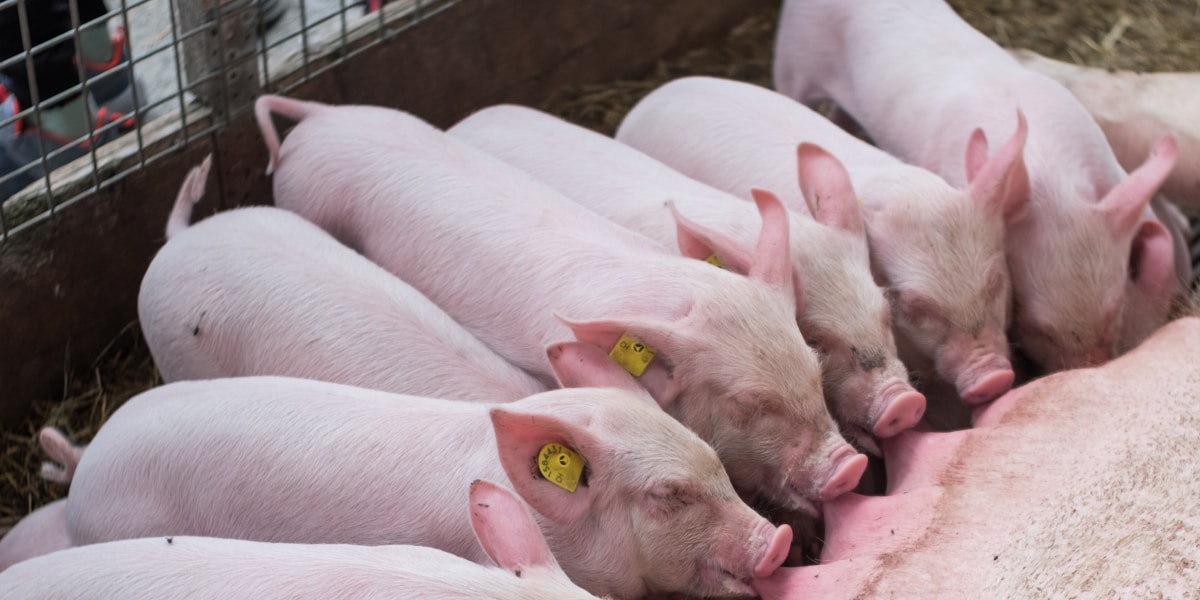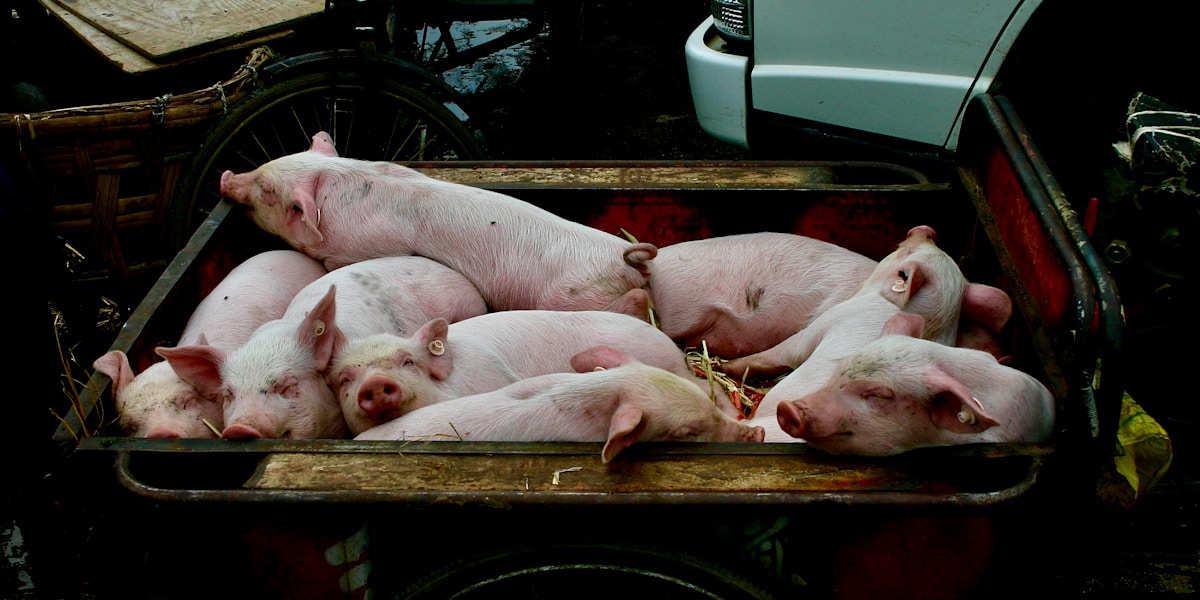
Best Age to Buy Piglets for Fattening in the Philippines
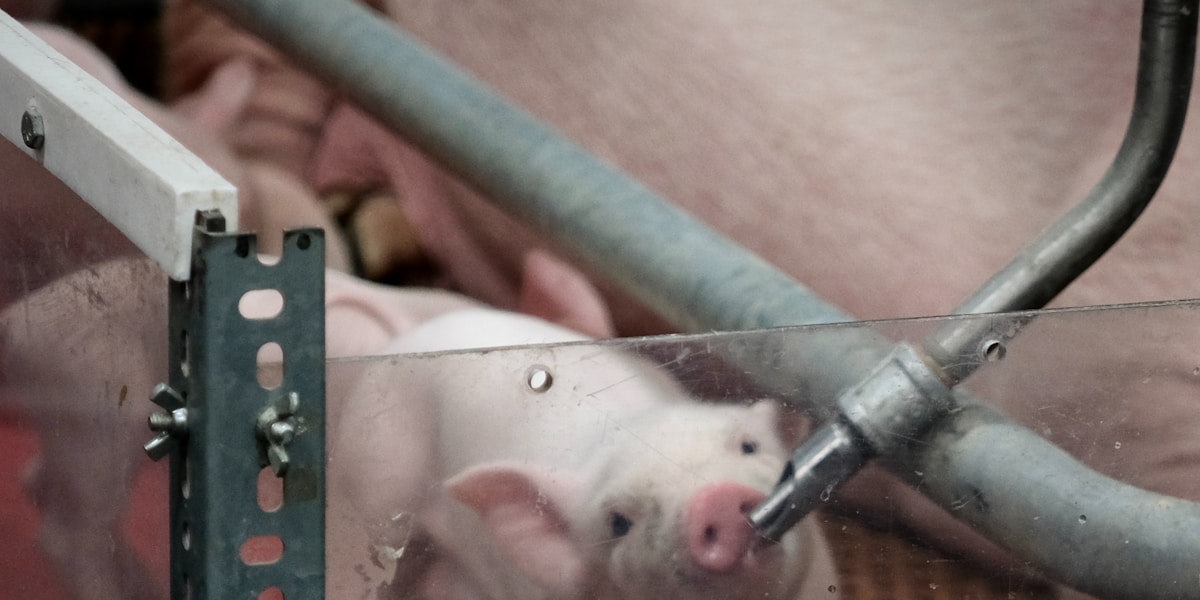
The ideal age to buy piglets for fattening is 8-10 weeks — fully weaned, eating solid feed, and past the most vulnerable period. Here is what to look for and what to avoid.
Expert guides on Philippine pig farming — feed economics, breed selection, biosecurity, and building profitable operations.

The ideal age to buy piglets for fattening is 8-10 weeks — fully weaned, eating solid feed, and past the most vulnerable period. Here is what to look for and what to avoid.

You do not need expensive commercial feeds to raise healthy pigs. A home-mixed ration using rice bran, copra meal, corn, and local greens costs 40-50% less and works well for backyard operations.

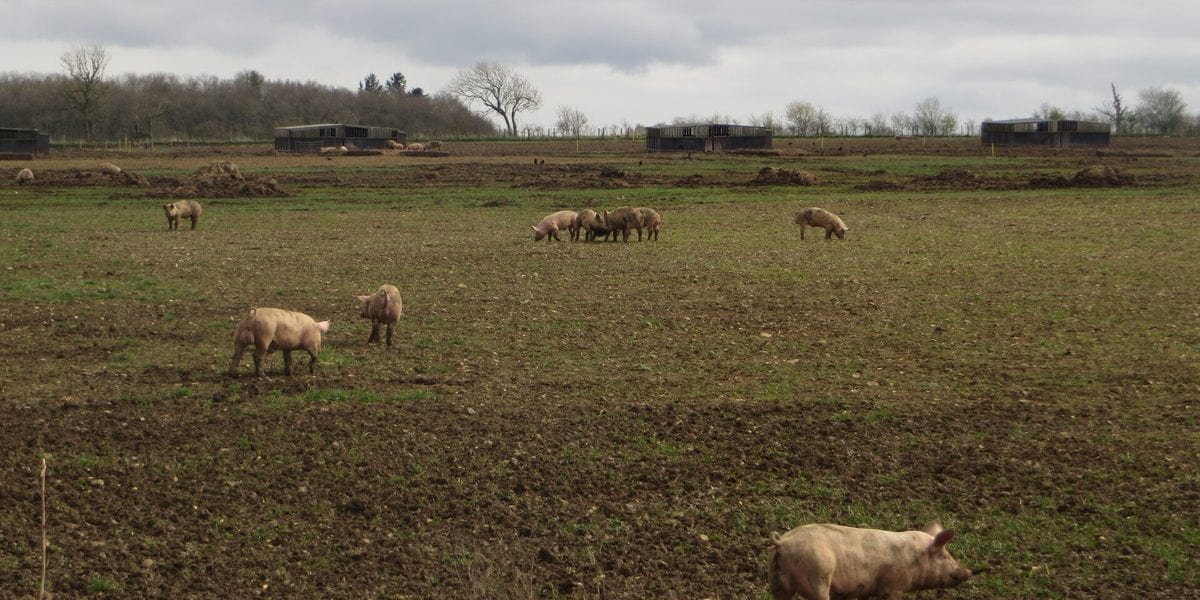
Most Philippine backyard pig pens are either too small or built the wrong way — causing disease, slow growth, and neighbor complaints. This guide covers pen sizing, materials costs for Visayas and Davao, drainage design, typhoon-proofing, cooling systems, and the one component worth spending money on even in a low-budget build.

Internal parasites are the #1 cause of slow pig growth in backyard farms. Deworming every 3-4 months with ivermectin or albendazole costs very little and can improve weight gain by up to 40%.

The most reliable early sign: if your sow does not return to heat 21 days after mating, she is likely pregnant. Gestation is 114 days — 3 months, 3 weeks, 3 days.

Yes, you can raise 1-5 pigs in most Philippine backyards — but you need to check local ordinances, manage waste properly, and keep your neighbors informed.

If your pig is growing slower than expected, the cause is usually one of 5 things: parasites, poor feed quality, heat stress, disease, or overcrowding. Here is how to diagnose each one.

A pig that stops eating is telling you something is wrong. Here are the signs every backyard farmer should watch for, and what each symptom usually means.

Nearly half of all piglet deaths happen within 24 hours of birth. Most are preventable with simple management changes that cost almost nothing.

In Philippine heat, pigs need 30-50% more water than temperate climate guidelines suggest. A lactating sow needs 25-35 liters per day. Most backyard farms underestimate this.

Native pigs average 4-7 piglets per litter, but the PCAARRD-developed Markaduke breed has recorded up to 17. Here is what the research actually shows.

A 10-pig backyard batch in the Philippines can earn ₱35,000–₱110,000 in gross profit — or lose money entirely. Here are the actual numbers, broken down for Visayas and Davao conditions, with the variables that make or break each batch.