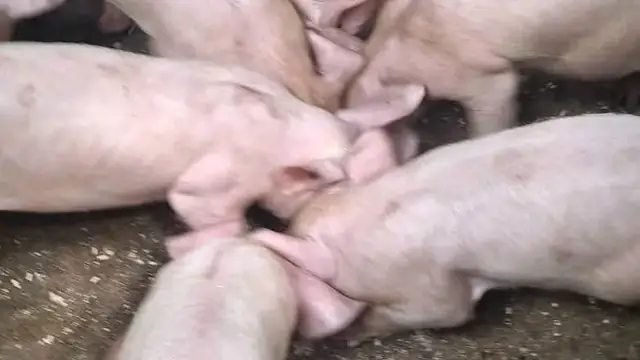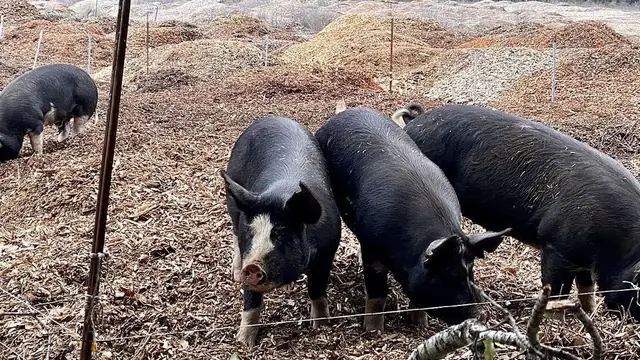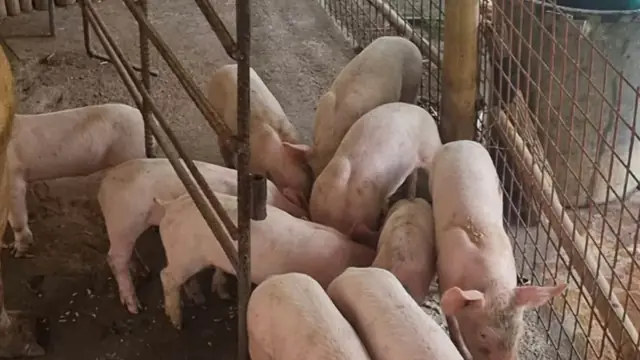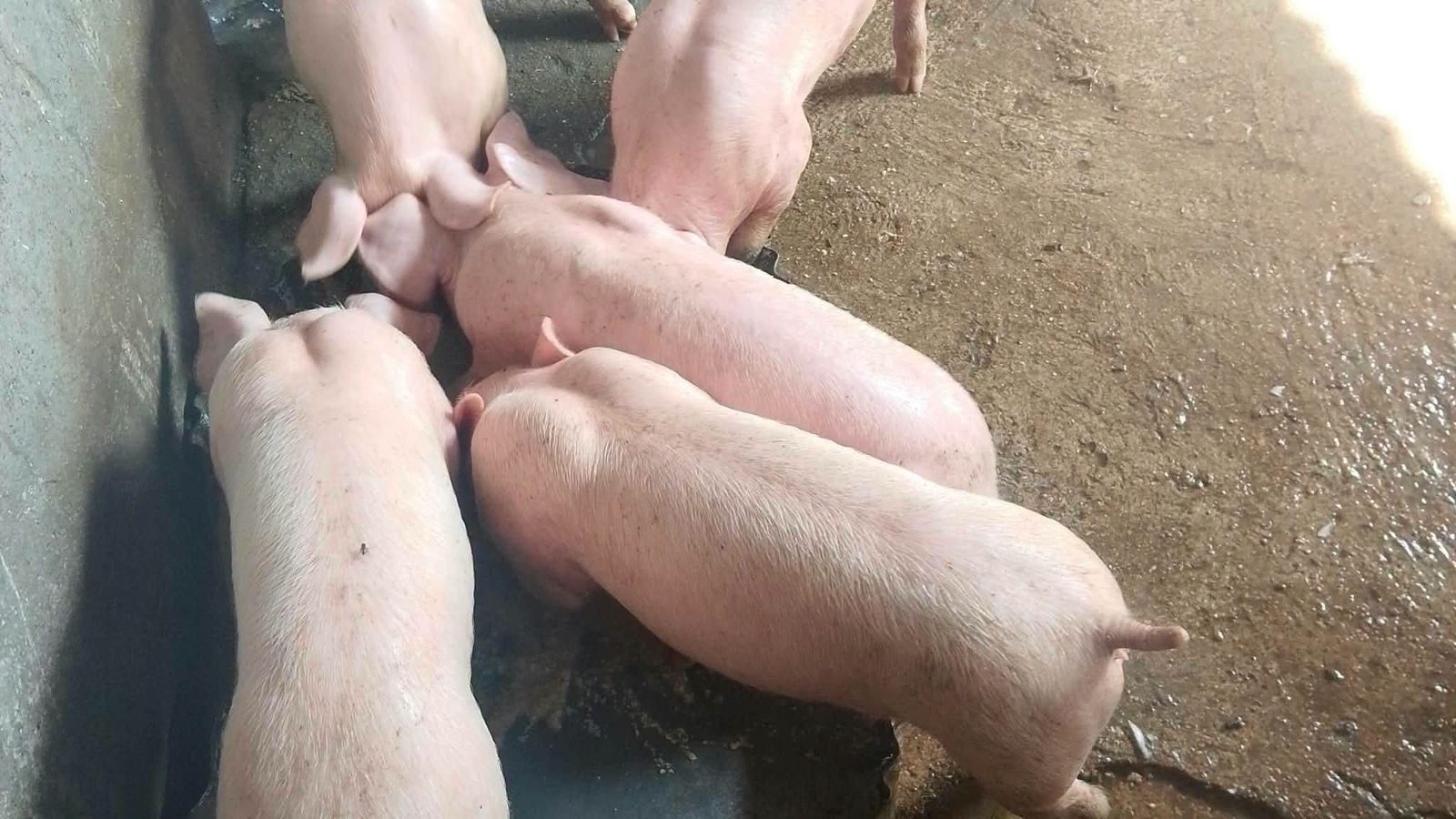
A 10-head fattening batch in 2026 actually costs ₱145,000 to ₱195,000, not the ₱100,000 your cousin pitched over Viber. Family quotes typically miss pen construction, the second and third month of feed, and contingency for one sick pig. This guide shows the real number, line by line, with honest mortality math.
Free Tool
Pig Farm Readiness Wizard
Considering whether to fund this at all? 8 questions, get a Go / Caution / Wait verdict plus the capital range and risk flags an OFW pitch typically hides.
Why the First Number You Hear Is Almost Always Low
There are three structural reasons the family number is under.
Forgetting the pen. For someone who already has a pen or plans to use an existing structure, "pen cost" is zero. For the investor funding a real setup, pen cost is ₱25,000-₱50,000 and critical for biosecurity. OFW money often goes to piglets first, then runs out before the pen is ready, and the pigs live in a makeshift structure for weeks until more money comes.
Forgetting the second month. People think in terms of one month of feed. Pigs eat for 4-5 months. Feed per head over the full grow-out is ₱6,500-₱9,000 in 2026. Ten pigs means ₱65,000-₱90,000 just for feed, more than half the budget. As of July 2026, premium grower and finisher sacks run ₱1,750-₱1,910 per 50 kg, which is ₱34.90-₱38.20/kg. B-MEG Premium Hog Grower sits near the top of that band in Luzon, with Thunderbird and Vitarich in the same range. See the detailed feed economics breakdown for current per-kilo pricing across brands and regions.
Forgetting contingency. One pig gets sick. A typhoon takes the roof off the pen. Feed prices spike by ₱150/sack for two months. Vaccines cost ₱500 more than expected. These things happen every batch. A realistic plan includes 10-15% contingency. Most family pitches include 0%.
Add those three together and you get the gap between ₱100,000 and ₱170,000.
Scenario 1: 10-Head Fattening Batch (The Most Common Ask)
This is the "test the waters" size. One batch of 10 weaner pigs, grown to market weight (roughly 95 kg) over 4-5 months, sold to a local lechon operator or biyahero. It is the honest entry point for a family trying out the business.
Fixed Capital (One-Time)
| Item | Honest Range | What People Forget |
|---|---|---|
| Pen construction (concrete floor, GI roof, wooden posts) | ₱25,000 - ₱50,000 | That a makeshift pen leads to sick pigs and ASF exposure |
| Feeders and waterers (concrete trough or tire feeders) | ₱4,000 - ₱8,000 | That these wear out and need replacement every 2-3 years |
| Water system (nipple drinkers, PVC, tank) | ₱2,500 - ₱5,000 | That water access affects growth rate more than most feeds |
| Manure pit / compost area | ₱3,000 - ₱6,000 | That LGUs require this in many barangays |
| Tools (shovel, hose, sprayer, thermometer) | ₱1,500 - ₱3,000 | |
| Total fixed | ₱36,000 - ₱72,000 | Amortized over 10-15 batches if well-built |
If the operation is genuinely starting from zero, budget ₱50,000 for fixed capital as a conservative middle. If there is an existing pen that genuinely meets biosecurity standards, not just "ok naman," you might get away with ₱15,000-₱20,000 for upgrades.
Working Capital (Per Batch)
| Item | Per Head | 10-Head Total | Notes |
|---|---|---|---|
| Weaner piglets (8-12 kg, vaccinated) | ₱2,800 - ₱4,000 | ₱28,000 - ₱40,000 | Good stock costs more but saves on mortality |
| Starter/grower/finisher feed (4-5 months) | ₱6,500 - ₱9,000 | ₱65,000 - ₱90,000 | This page's lean assumption; at 250-300 kg × ₱36.69 the full-ration figure is ₱9,200-₱11,000 a head |
| Vaccines and medications | ₱250 - ₱500 | ₱2,500 - ₱5,000 | Higher if classical swine fever (CSF) or PRRS risk |
| Dewormer, iron shots, vitamins | ₱150 - ₱250 | ₱1,500 - ₱2,500 | |
| Utilities (water, electricity) | ₱150 - ₱350 | ₱1,500 - ₱3,500 | Higher in hot summer months |
| Biosecurity supplies (lime, disinfectant, footbath) | ₱100 - ₱200 | ₱1,000 - ₱2,000 | Skipping this is how ASF enters |
| Transport (piglet delivery, market day) | ₱100 - ₱300 | ₱1,000 - ₱3,000 | |
| Contingency (10% of total) | ₱1,000 - ₱1,500 | ₱10,000 - ₱14,500 | Almost always excluded from pitches |
| Total working capital | ₱11,050 - ₱16,100 | ₱110,500 - ₱161,000 |
Free Tool
Feed Cost Calculator
Feed is close to 60% of every batch you fund. Plug in your specific brand and current local sack price to see the actual feed bill for the batch size your relative is pitching — before you wire the money.
What the Full Investment Actually Looks Like
Combining fixed + working capital for a 10-head first batch from zero:
| Scenario | Fixed | Working | Total |
|---|---|---|---|
| Optimistic (existing pen, cheap piglets, cheap feed brand) | ₱20,000 | ₱110,000 | ₱130,000 |
| Realistic (new pen, decent piglets, B-MEG or Thunderbird feed) | ₱50,000 | ₱135,000 | ₱185,000 |
| Conservative (new pen, quality piglets, biosecurity, contingency) | ₱60,000 | ₱160,000 | ₱220,000 |
Notice the range. The gap between ₱130,000 and ₱220,000 is not about quality of the pig — all three scenarios are raising the same 10 animals. It is about the quality of the setup. An OFW who funds ₱130,000 and expects to skip the "optional" line items is funding a high-mortality batch.
For a detailed per-head cost breakdown in 2026 prices, including feed conversion math, see the cost to raise a pig in the Philippines reference.
Scenario 2: 25-Head Semi-Commercial (The "Real Business" Ask)
This is the next tier up. Often pitched as "pag successful 'yung first batch, lalakihan namin." The economics at 25 heads are better per pig (feed bulk discounts, more consistent marketing), but the capital exposure jumps significantly.
| Category | 25-Head Range | Key Assumption |
|---|---|---|
| Fixed capital (pen, feeders, water, manure pit, tools) | ₱120,000 - ₱200,000 | 2.5-3× 10-head cost, not 2.5× (some economies of scale) |
| Weaner piglets | ₱70,000 - ₱100,000 | ₱2,800-₱4,000 × 25 |
| Feed (4-5 months, all phases) | ₱165,000 - ₱225,000 | Bulk pricing ~₱100/sack cheaper than small orders |
| Vaccines, meds, deworming, vitamins | ₱10,000 - ₱18,000 | |
| Utilities (higher: more water, more manure removal) | ₱5,000 - ₱10,000 | |
| Biosecurity | ₱3,000 - ₱6,000 | |
| Labor (part-time caretaker, ₱4,000-₱6,000/month × 5 months) | ₱20,000 - ₱30,000 | Almost always needed at 25 heads |
| Transport and marketing | ₱3,000 - ₱6,000 | |
| Contingency (10%) | ₱40,000 - ₱60,000 | |
| Total | ₱436,000 - ₱655,000 |
A family pitching "₱300,000 for 25 heads" is describing a scenario where the pen already exists, the caretaker is unpaid family, and contingency is zero. All three assumptions can turn out to be wrong in a single bad week.
A ₱300,000 pitch for 25 heads is not necessarily a scam. It is often just the starting price with the optional line items hidden. The right response is not "no" but "show me the itemized version that adds the pen, the caretaker salary, and a 10% buffer." If the itemized version does not exist on paper, the pitch is not ready for funding yet.
At 25 heads, margin per pig is better than at 10, but only if execution is genuinely tighter. If a first-time operator leaps from 10 to 25 without running a profitable 10-head batch first, the 25-head batch has a higher probability of failing. This is a consistent pattern across farmer profiles. See pig farming profitability by scale for the math on why.
Scenario 3: 5-Sow Farrow-to-Finish (The "Passive Income" Pitch)
This is the one pitched most often to OFWs, because it sounds like "real business." Five breeding sows produce ~80-100 piglets a year (roughly 2 litters × 10 piglets × 5 sows, adjusted for weaning mortality). The farm raises them to market weight and sells. In theory, it is a self-sustaining operation.
In practice, it is the most capital-intensive and most operationally demanding of the three scenarios.
| Line Item | 5-Sow Farrow-to-Finish Range |
|---|---|
| Breeding stock (5 gilts + 1 boar or AI access) | ₱90,000 - ₱160,000 |
| Breeding/farrowing/weaning/grower pens (multiple structures) | ₱250,000 - ₱450,000 |
| Feed for sows, piglets, growers (year 1, full cycle) | ₱450,000 - ₱650,000 |
| Vaccines, AI costs, meds (higher complexity than fattening) | ₱25,000 - ₱45,000 |
| Full-time caretaker (₱7,000-₱10,000/month × 12 months) | ₱84,000 - ₱120,000 |
| Utilities, biosecurity, transport, marketing | ₱40,000 - ₱70,000 |
| Contingency (15%, higher for breeding operations) | ₱150,000 - ₱200,000 |
| Total year 1 capital | ₱1,090,000 - ₱1,700,000 |
This is where OFW money most often gets over-committed. A ₱1.5M farm is not a backyard project. It requires a genuinely competent operator with prior experience, documented biosecurity, and ideally at least one profitable fattening cycle under their belt first.
A family pitching ₱500,000 for a "5-sow farrow-to-finish" has almost certainly left out the pen structures, the caretaker salary, the first 8-12 months of zero revenue (because the first litters are not market-ready for ~9-10 months), or all of the above. Be very cautious of this pitch size.
The Hidden Costs Almost Everyone Forgets
Above the line items in the tables, there are six costs that rarely appear in family pitches. Any of them can swing a batch from profit to loss.
1. LGU Permits and Compliance
Barangay clearance, mayor's permit, BIR registration, environmental compliance, and in many municipalities a specific livestock permit. Varies wildly: ₱3,000-₱15,000 in year 1 depending on LGU. Manure management may require a composting facility the municipality inspects. Ignored, this becomes a shutdown order later.
2. Mortality Buffer
"I'll plan for 10% mortality" is already a best case. Real first-time operators often see 15-25% mortality in the first batch because biosecurity and sourcing are new skills. Plan for 15% as realistic and 25% as bad-but-survivable.
3. Feed Price Spikes
Corn and soy prices move. B-MEG, Thunderbird, and Vitarich feed prices have moved by ₱150-₱300/sack over 6-month windows in 2024-2026. If your plan was built on "₱1,900/sack" and the spike takes it to ₱2,150/sack for two months, that is an extra ₱10,000-₱15,000 cost on a 10-head batch. And so far in 2026 the move has only gone one way: feed is up ₱1-₱2/kg and no miller has announced a rollback. Corn is half the formulation, and the corn tariff was not cut.
4. Selling-Side Deductions
Farmgate price is not cashflow. The lechon operator may deduct for "pagkadaot" (bruises), for transport back to the buyer's location, or for below-target market weight. Real cash received is often 3-8% less than headline ₱/kg × weight. Ask your relative to show you cash received on previous sales, not sale price quoted.
5. Typhoon and Climate Risk
Philippines gets 15-20 typhoons a year. Pen roofs lose GI sheets. Water systems fail. Flooding damages feed storage. One direct hit can cost ₱20,000-₱80,000 in repairs and lost feed inventory. Not every year, but probable over any 2-3 year window.
6. Second Batch Capital
If the first batch sells in month 5, when does the second batch start? If you want continuous production, the next batch of piglets needs to be bought around month 3-4 of the first batch, before any revenue has come in. This is why operations with only one batch of capital can stall after batch 1. Plan for 1.5-2× the single-batch working capital if the goal is continuous production. See the swine cashflow guide on batch timing.
Regional Price Variance (2026 Data)
Liveweight prices and input costs are not uniform across the Philippines. Where the farm is matters, and the old rule of thumb (Luzon commands the premium, Visayas runs below it, Mindanao below that) no longer holds. PSA's March 2026 regional data puts Cordillera and Eastern Visayas at the top and drops Central Luzon into the middle of the pack.
The national picture first. PSA had the average farmgate price at ₱191.51/kg liveweight in Q3 2025. It has come down every quarter since: Q4 2025 averaged ₱182.83/kg, Q1 2026 ₱176.03/kg and Q2 2026 ₱172.44/kg. As of May 2026, SINAG put the industry average at ₱180-₱190/kg and trade quotes ran ₱183-₱193/kg, above what PSA recorded for the same months; both are history now. PSA has not yet published July to September, and the DA said the national average fell to ₱150/kg in August 2026 (Manila Times, 28 Sep 2026). The ₱210/kg "floor" from November 2025 is not a price anyone is paid. It is an industry-agreed, DA-backed target, not enforceable. The national average has not reached it since it was set; four regions have for a few months (Cordillera 5, BARMM 2, Central Visayas 2, NCR 1). Do not let anyone build a pitch on it. Every quarter of that decline is downloadable at the quarterly farmgate series, with the date somebody opened PSA on each row, so you can check the pitch instead of arguing about it over Viber.
| Region | Farmgate liveweight (₱/kg, PSA June 2026) | Notes |
|---|---|---|
| Cordillera | ₱224.10 | Highest in the country, and above the ₱210 target |
| Central Visayas | ₱208.73 | Second, up ₱17.81 since March |
| Central Luzon | ₱181.05 | Sixth, not a premium market |
| National average | ₱171.76 | Q2 2026 mean: ₱172.44 |
| Negros Island Region | ₱166.29 | ASF pressure, and it still rose ₱3.10 |
| Western Visayas | ₱152.75 | Down ₱31.56 since March, the steepest fall in the country |
| SOCCSKSARGEN | ₱141.98 | Lowest in the country |
The spread from Cordillera to SOCCSKSARGEN in June 2026 was ₱82.12/kg. On ten pigs at 95 kg, that is about ₱78,000 of revenue for the exact same batch of animals, decided entirely by where the pen sits. And here is the part the pitch will not mention: producer groups put cost of production at ₱180-₱190/kg (Daily Tribune, 2 Oct 2026; BusinessMirror, 9 Oct 2026). At PSA's national ₱172.44 for Q2 2026 the average farm was already selling below what the pig cost to raise, and Negros or SOCCSKSARGEN far below it. Since then the DA has said the national average fell to ₱150/kg in August 2026. Cheaper feed logistics in Mindanao help, maybe ₱70/sack, worth ₱7,000-₱9,000 across a 10-head cycle. That does not close a ₱25/kg price gap. Before any money moves, find out what buyers in your relative's specific province paid this month. Two free tables get you most of the way there: backyard farmgate by province, which is the survey a family pen falls under, and commercial farmgate by province for what the bigger farms nearby are being paid. See liveweight pig prices by region for current detail.
An Honest Two-Year Projection
Here is what the first 24 months of a 10-head fattening operation look like, assuming reasonable execution and no catastrophic events.
| Period | Activity | Cumulative Capital Out | Cumulative Revenue | Net Position |
|---|---|---|---|---|
| Month 0 | Pen build, first piglets, first feed | ₱85,000 | ₱0 | -₱85,000 |
| Month 3 | Mid-batch feed + meds | ₱130,000 | ₱0 | -₱130,000 |
| Month 5 | First batch sold (9 pigs × 95 kg × ₱172.44) | ₱150,000 | ₱147,400 | -₱2,600 |
| Month 6 | Second batch piglets + first feed | ₱195,000 | ₱147,400 | -₱47,600 |
| Month 10 | Second batch sold (9 pigs × 95 kg × ₱172.44) | ₱260,000 | ₱294,900 | +₱34,900 |
| Month 11 | Third batch piglets + feed | ₱305,000 | ₱294,900 | -₱10,100 |
| Month 15 | Third batch sold (9 pigs × 95 kg × ₱172.44) | ₱370,000 | ₱442,300 | +₱72,300 |
| Month 16-24 | Continuous batches 4-5 | ₱590,000 | ₱737,200 | +₱147,200 |
Important: this is the successful scenario. It assumes 10% mortality every batch, no ASF, no typhoon, stable feed prices, and every batch sold at ₱172.44/kg, PSA's last official quarter (Q2 2026). It also charges each batch only ₱110,000 of working capital, the cheap end of the table above. Five clean batches in a row, and cumulative profit is about ₱147,000 on ₱590,000 of capital pushed through the pens. At the DA's August 2026 national figure of ₱150/kg (Manila Times, 28 Sep 2026) each batch brings ₱128,250 and the same five batches make about ₱51,000.
Run those same five batches at the realistic ₱135,000 a batch and the two-year profit drops to roughly ₱22,000 at ₱172.44. At ₱150 it is a loss of about ₱74,000. That is the honest shape of this business in late 2026. Producer groups put cost of production at ₱180-₱190/kg and farmgate sits below it, so the average farm is losing money on every kilo. The money comes from not losing pigs, not from the price.
So at best it is a thin, slow return, and at today's price it can be a loss. Nothing like the ₱70,000 profit in 5 months that family pitches describe. The pitch math takes the best case of one batch and treats it as guaranteed. The honest math grinds out a small profit across several good batches at the PSA quarter, and one bad batch eats a year of it.
What Happens When Mortality Is Not 10%
Mortality is the single biggest variable in first-time operations. Here is what the first batch looks like at different mortality rates, assuming ₱150,000 total investment (pen + working capital) and 95 kg pigs, at PSA's Q2 2026 ₱172.44/kg and at the DA's August 2026 ₱150/kg.
| Mortality | Sellable Pigs | Revenue @ ₱172.44 | Result @ ₱172.44 | Result @ ₱150 |
|---|---|---|---|---|
| 0% (perfect) | 10 | ₱163,800 | +₱13,800 profit | -₱7,500 loss |
| 10% (realistic) | 9 | ₱147,400 | -₱2,600 loss | -₱21,750 loss |
| 20% (bad biosecurity) | 8 | ₱131,100 | -₱18,900 loss | -₱36,000 loss |
| 30% (disease event) | 7 | ₱114,700 | -₱35,300 loss | -₱50,250 loss |
| 100% (ASF wipeout) | 0 | ₱0 | -₱150,000 full loss + ₱50,000 sanitation and quarantine cost | same |
A single ASF outbreak on a farm means total loss of the batch plus mandatory depopulation of any surviving pigs. Recovery before restocking takes 60-90 days of empty pens, sanitation, and LGU clearance. For an OFW, this is the ceiling risk. Read the ASF recovery-era guide to understand how this risk is currently distributed across regions.
If the total capital exposure is under ₱200,000, you can usually absorb a full-loss scenario as a painful setback. Above ₱500,000, you need written risk-sharing terms with the operator before any money moves. A ₱1.5M farrow-to-finish ask without a signed agreement on who eats what loss is not an investment — it is a loan with pretend terms.
The OFW Multiplier Rule
Here is a practical shortcut. Whatever amount your family member verbally tells you the farm will cost, apply one of these multipliers to get the realistic number.
| Source of the Number | Multiplier to Get Realistic Cost |
|---|---|
| Detailed written plan with itemized line items, contingency, and source of each estimate | 1.0 - 1.15× |
| Written plan but no contingency and no regional price adjustment | 1.2 - 1.35× |
| Verbal estimate only, "kabisado ko naman kasi" | 1.4 - 1.6× |
| Ballpark with ranges ("mga ₱100 to ₱200k siguro") | 1.5 - 1.8× |
| No number given, just "send what you can" | Do not proceed until you have a number |
If your cousin says ₱100,000 verbally, budget for ₱140,000-₱160,000. If the ₱100,000 has a spreadsheet behind it that includes contingency, the real number is closer to ₱110,000. The quality of the plan reduces the multiplier. The absence of a plan increases it.
How to Ask for an Itemized Plan Without Starting a Fight
Asking your family for receipts feels rude. It does not have to be. Here is language that has worked for other OFWs:
"Gusto ko talagang tumulong. Para maging fair sa atin pareho, pwede bang gumawa tayo ng simple plan? Gagamitin ko rin ito para sa budgeting ko dito. Meron akong makikita na reference, gawin natin together."
Then ask them to draft a one-page plan with the numbers in this article — capex, monthly burn, target sale weight, target sale price, and expected ROI window. What comes back tells you whether the operator is ready. If the plan comes back empty or hand-waving on key numbers, that is information. It does not mean you say no. It means you ask follow-up questions before funding.
Frame it as "let's do this together" not "prove you deserve the money." Most honest operators welcome the exercise because they have not been forced to write it down before. The act of filling out the plan often reveals gaps the operator did not know they had.
Bottom Line
A 10-head backyard fattening operation in 2026 costs ₱145,000-₱220,000 to set up properly, not ₱100,000. A 25-head semi-commercial operation costs ₱436,000-₱655,000, not ₱300,000. A 5-sow farrow-to-finish operation costs ₱1.1M-₱1.7M in year 1, not ₱500,000.
These are not inflated numbers. They are the honest numbers that include the pen, the contingency, the labor, and the cost of doing biosecurity correctly. You can fund something cheaper. The pigs will probably still live. But the operation will be fragile, and the first bad week will consume any margin.
If the number you were given is inside these ranges, proceed to due diligence. If it is meaningfully below these ranges, ask where the gap is hiding before sending anything.
Next in This Series
- Part 1: Sending Money Home for a Pig Farm? An OFW's Honest Due-Diligence Guide. The 7 questions, red flags, and deal structures.
- Part 3: Managing a Pig Farm From Abroad: Disease, Workers, and What You Can Actually Control. ASF reality, worker accountability, remote monitoring.
You can also use the breakeven calculator to run the numbers your family gave you and see if they hold up.
Sources
- Philippine Statistics Authority: average farmgate price of pigs for slaughter, Q3 2025: ₱191.51/kg liveweight. PSA OpenSTAT monthly series since: Q4 2025 ₱182.83/kg, Q1 2026 ₱176.03/kg, Q2 2026 ₱172.44/kg, June 2026 ₱171.76/kg, with the June regional figures used in the table above.
- BusinessWorld: DA minimum farmgate price ₱210/kg set 4 November 2025. Industry-agreed, DA-backed, not enforceable. The national average has not reached it since; Cordillera (5 months), BARMM (2), Central Visayas (2) and NCR (1) have.
- SINAG and NatFed: industry average farmgate ₱180-₱190/kg as of May 2026 (history now), against a cost of production of roughly ₱180/kg at the time.
- DA via Manila Times, 28 Sep 2026: national liveweight ₱150/kg, August 2026 (trade-reported, not PSA). Cost of production ₱180-₱190/kg per producer groups (Daily Tribune, 2 Oct 2026; BusinessMirror, 9 Oct 2026).
- Department of Agriculture, Bureau of Animal Industry: ASF situation updates 2025-2026 and Livestock, Poultry and Feed Ingredient Prices.
- Department of Agriculture: price monitoring reports for current regional farmgate and retail pig prices.
- Baboy PH internal reference: feed economics 2026 breakdown for B-MEG, Thunderbird, Vitarich per-sack pricing across regions.