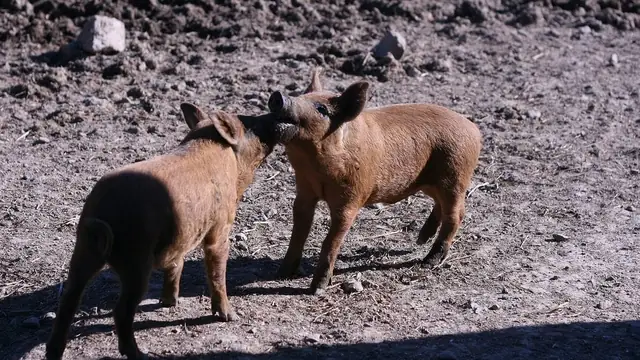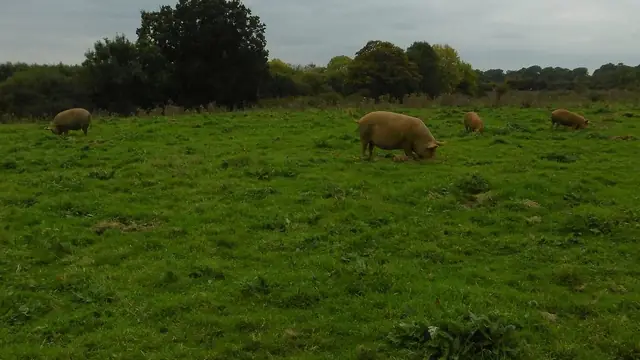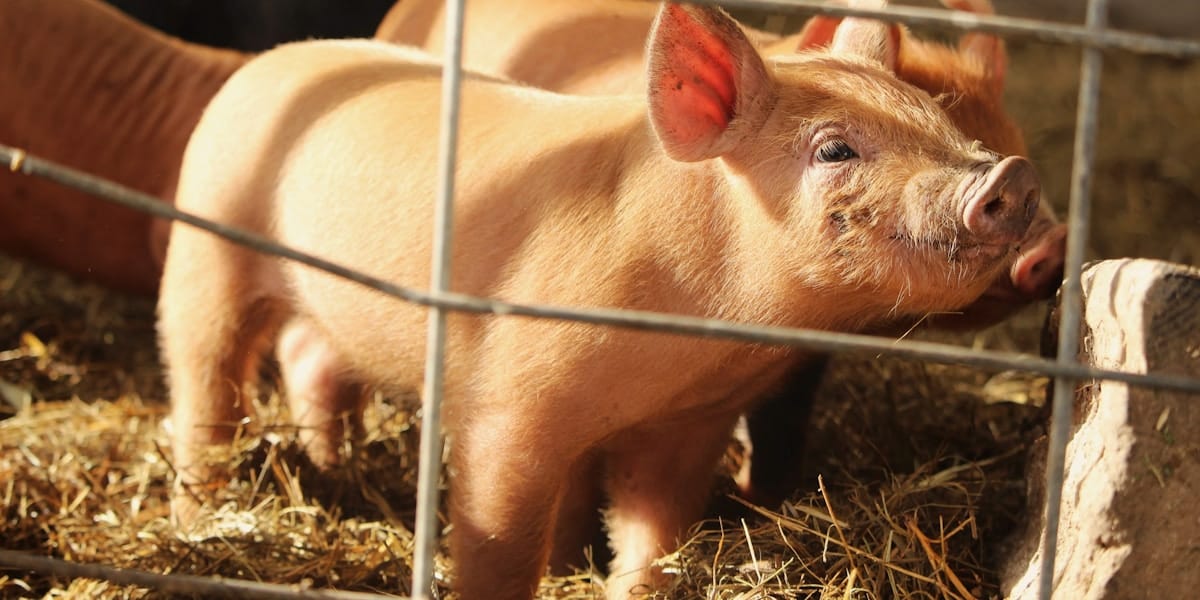
Castration, or "pagkapon" in Bisaya, is one of the most basic pig management tasks in the Philippines. Almost every backyard farmer does it, but the timing and technique make a big difference in piglet survival and meat quality.
"Ikapon na ang biik kung duha na ka semana." (Castrate the piglet at two weeks.)
That's the advice passed down in most farming communities. And the science backs it up.
Why Castrate at All?
Intact male pigs (boars) develop boar taint, a strong, unpleasant smell in the meat caused by two hormones: androstenone (produced in the testes) and skatole (produced in the gut). Filipino consumers call it "malansa" (fishy or musky), and it becomes noticeable once the pig hits 5-6 months old.
Traders and wet market buyers expect castrated males (kapón). An uncastrated boar at market weight is difficult to sell and will fetch a lower price. Some Cebu lechon producers specifically request castrated pigs because the meat tastes sweeter without the hormone-driven taint.
Castrated pigs also grow more calmly, fight less with pen mates, and are easier to manage in backyard conditions.
The Best Timing: 7-14 Days Old
BAI Administrative Order No. 41, Series 2000 sets the rule: no person shall castrate any pig over 14 days old unless a veterinarian performs the procedure using anesthesia. In practice, most backyard farmers castrate between 7 and 14 days. Some commercial operations go as early as 4-5 days.

Why this window works:
- Blood vessels are small, so there's less bleeding
- The wound heals in 3-5 days
- Piglets are still nursing, so the sow's milk supports recovery and provides maternal antibodies
- Growth setback is minimal or unnoticeable
- One person can handle the piglet without a restraint
Research from the University of Minnesota's Large Animal Surgery program confirms that castrating at 4-14 days avoids the stressful first days of colostrum intake and teat-order establishment while still being well before weaning.
| Timing | Risk Level | Recovery | Notes |
|---|---|---|---|
| 4-7 days | Low | 3-4 days | Some prefer to wait until day 7 for larger testes |
| 7-14 days | Lowest risk | 3-5 days | BAI-compliant, most common in PH |
| 3-4 weeks | Moderate | 5-7 days | More bleeding, piglet harder to hold |
| 6-8 weeks | High | 7-14 days | Needs a helper, noticeably painful |
| 3+ months | Very high | 2-3 weeks | Requires vet + anesthesia per BAI AO 41 |
If you wait past 4 weeks, expect more bleeding, more pain response, and a growth slowdown of up to 2 weeks during recovery. We've seen farmers castrate at 3+ months because they missed the window. It works, but it's harder on the pig and the farmer.
The Open Knife Method (Most Common in PH)
This is the traditional method used by community castrators ("manunuli") across the Philippines.
Cost
| Service | Cost |
|---|---|
| DIY (your own blade + Betadine) | ₱50-80 for supplies |
| Community castrator (manunuli) | ₱50-100 per piglet |
| Municipal Agriculture Office | Often free (check your LGU) |
| Private veterinarian | ₱200-500 depending on area |
A 15ml bottle of Betadine (povidone-iodine 10%) runs about ₱73 at most pharmacies, and that's enough for several piglets.
Steps
- Have a helper hold the piglet upside down with legs spread. If you're alone, hold the piglet by both hind legs with its head down
- Clean the scrotum with povidone-iodine (Betadine)
- Push both testicles up with your thumb so they're visible against the scrotal skin
- Make a small incision at the bottom of each side of the scrotum with a sterile blade. Cut low so the wound drains downward
- Squeeze each testicle out through the cut
- Pull gently. Twist the blood vessel cord several times before scraping it off. Don't just yank. Twisting reduces bleeding significantly
- Press your thumb against the piglet's pelvis as you pull to prevent the cord from rupturing too far inside (this prevents hernia)
- Apply tincture of iodine or antibiotic wound powder (oxytetracycline powder) to the wound
- Never put your fingers inside the open scrotum. Contamination causes infection
Aftercare
- Keep the piglet in a clean, dry pen for at least 3 days
- Don't castrate during heavy rain or very humid weather. Wet conditions increase infection risk in the open wound. "Ayaw ikapon kung nag-ulan," as they say
- Check the wound daily. Some swelling on days 1-2 is normal. Swelling that increases after day 3 or discharge with a bad smell means infection, and you need to act fast
- The piglet can go back to the sow once the wound is dry. Some sows reject piglets that smell of blood, so clean the piglet up first
- Normal healing: scab forms by day 2-3, fully closed by day 5-7
When Something Goes Wrong
Most castrations go fine if you follow basic hygiene. But when they don't, you need to recognize the signs early.
Excessive bleeding during the procedure usually means you cut a blood vessel instead of twisting. Apply pressure with a clean cloth and hold for 2-3 minutes. If it doesn't stop, tie off the cord with clean thread and call a vet. This happens more often with older piglets because the blood vessels are larger.
Swelling and infection. Mild swelling on days 1-2 is normal. If the scrotum balloons up, turns red, feels hot, or starts oozing pus by day 3-4, that's an infection. Clean the wound with Betadine, apply antibiotic powder, and if it's getting worse, get oxytetracycline injectable (available at most vet supply stores). Don't wait. Infection can kill the piglet in 3-5 days if untreated.
Tetanus is the scariest complication. The bacterium Clostridium tetani lives in soil, and its spores can enter through the castration wound. According to pig333's disease guide, symptoms include stiff legs, locked jaw, curled ears, and an upright tail. Death comes from respiratory muscle paralysis. The risk is highest when castrating in dirty pens or during muddy conditions. Prevention: keep the pen clean, use fresh blades, and apply antiseptic immediately. There is no practical treatment for tetanus in piglets. It's almost always fatal.
Hernia (intestines pushing through the inguinal ring). You'll see a lump in the scrotal area that gets bigger when the piglet stands. This is a vet-only problem. Don't try to fix it yourself. It happens more with certain bloodlines and is one reason early castration matters. At 7-14 days, you can spot which piglets have a weak inguinal ring before you cut.
Cryptorchidism (retained testicle). In about 2-12% of male piglets, one or both testicles don't descend into the scrotum. You open the scrotum and find only one testicle, or none. Stop. Do not go digging around inside the piglet. A retained testicle sits in the abdomen and requires surgical removal by a veterinarian. An unremoved retained testicle will still produce androstenone, so the pig will still have boar taint.
Common Mistakes
- Castrating too late. Past 4 weeks means more blood, more stress, a growth setback of up to 2 weeks, and you're outside BAI's 14-day guideline
- Using a dirty blade. Leads to tetanus or abscess. Use a fresh, sterile razor blade or surgical scalpel. One blade per litter, minimum
- Skipping antiseptic. Always apply Betadine or wound powder right after. Infection can kill the piglet
- Doing it in a muddy pen. High humidity and soil contact are how tetanus spores enter. Use a clean, dry area
- Castrating during a disease outbreak. If piglets are already stressed or sick, the added stress of castration increases mortality. Wait until they recover
- Not checking for both testicles first. Push both up with your thumb before cutting. If one doesn't appear, the piglet may be cryptorchid, and you need a vet
A 2-week growth setback from late castration shows up first as a worse feed conversion ratio, the pig eats but doesn't gain. By the time you notice on the scale, you've already burned 30-50 kg of feed with nothing to show for it.
Free Tool
FCR Calculator
Track FCR weekly after castration. A normal recovery shows FCR back to 2.8-3.2 within a week. If it stays above 3.5 for two weeks, the piglet is still in pain or has an infection, check the wound.
What About Immunocastration?
Immunocastration (brand name Improvac, made by Zoetis) is a vaccine-based alternative to surgical castration. Two injections of a GnRH analog suppress testicular function and prevent boar taint without surgery.
It's used commercially in Europe, Australia, and Brazil. In the Philippines, it's not common in backyard settings. The vaccine needs a cold chain, costs more than a razor blade, and requires precise timing of two doses (first at 8-12 weeks, second at 4-6 weeks before slaughter).
For commercial operations with 50+ heads, it might make sense. For a backyard farmer with 5-10 piglets per litter, the open knife method at 7-14 days is still the practical choice. Honestly, most backyard farmers haven't even heard of it.
Bisaya / Cebuano
Para sa mga mag-uuma: Pagkapon sa baktin
- Kanus-a: 7-14 ka adlaw ang edad, pinaka-gamay og dugo, dali ra mo-ayo
- Unsaon: Limpyo nga labaha, Betadine sa una ug human, antibiotic powder sa samad
- Ayaw: Ikapon kung nag-ulan o basa kaayo ang tangkal. Infeksyon ang peligro
- Kung naa'y problema: Hubag nga dili mohunong pagkahuman 3 ka adlaw, o nanana ang samad, butangi og Betadine ug antibiotic powder. Kung grabe na, dad-a sa vet
- Hinumdumi: "Malansa ang karne kung dili kapón." Ang mga parokyano dili mopalit og laki nga baboy nga wala gikapon
- Cryptorchid: Kung usa ra ka itlog ang makita, ayaw kalauta sa sulod. Dad-a sa vet
Kung dili ka kabalo unsaon, pangitaa ang "manunuli" sa inyong baryo. Kasagaran ₱50-100 lang ang bayad, o mangutana sa Municipal Agriculture Office kung naa silay libre nga serbisyo.
Related Articles
- Why piglets die in the first week - other piglet management tasks that matter early on
- Best pig breeds for small farmers - breed traits including meat quality and litter size
- How to build a backyard piggery - pen design for easy management and hygiene
- Signs your pig is sick - recognizing infection and other problems early
- How to deworm pigs - another routine procedure to do while piglets are young
- Best age to buy piglets for fattening - what to check when buying weaned piglets (including castration status)
Sources: BAI Administrative Order No. 41, S. 2000 - Code of Practice and Minimum Standards for the Welfare of Pigs; University of Minnesota Large Animal Surgery - Piglet Castration; The Pig Site - Castration of Pigs; pig333 - Tetanus in Swine; FAO "A Manual for the Primary Animal Health Care Worker" (Unit 33: Castration); PCAARRD Smallholder Pig Production Technology Guide.