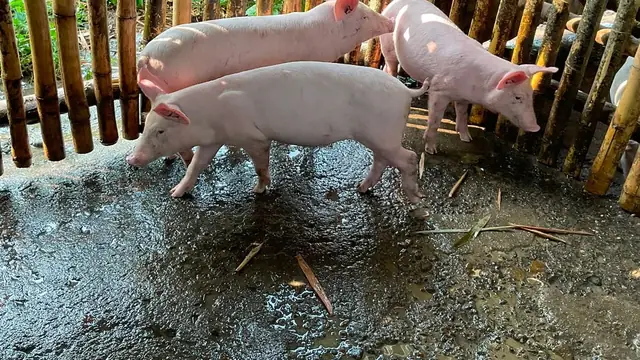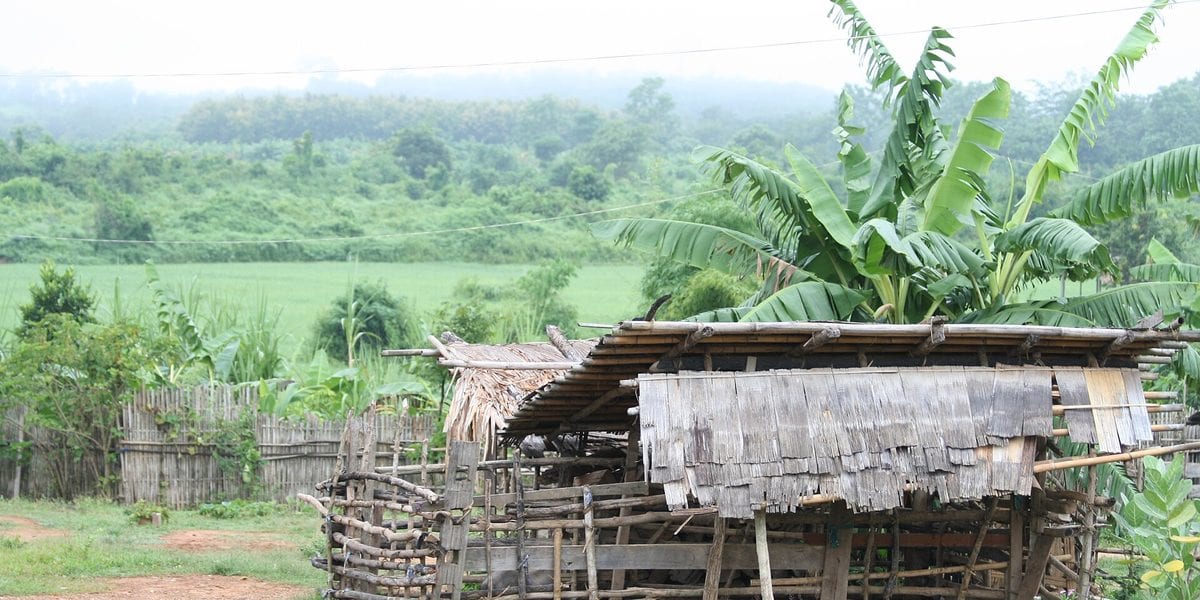
A finisher pig in Philippine heat drinks 8 to 12 liters per day, a lactating sow up to 40. Nipple drinkers waste 5 to 10% of water and cost ₱4,000 to ₱8,000 for a 20-pig pen. Troughs are cheaper but waste 30 to 50% and breed bacteria. Sprinkler cooling drops skin temp 3 to 5°C for ₱500 to ₱1,500.
How Much Water Do Pigs Actually Need?
Before choosing a system, know the volume. Water needs vary by pig size, stage, and temperature. At 32 degrees C and up (normal Philippine daytime temperature), pigs drink 30-50% more than what temperate-climate guides suggest.
| Pig Stage | Weight Range | Daily Water Need (Moderate Climate) | Daily Water Need (Philippine Heat, 30–36°C) |
|---|---|---|---|
| Weanling | 7–15 kg | 1–2 liters | 2–3 liters |
| Grower | 15–40 kg | 3–5 liters | 5–8 liters |
| Finisher | 40–90 kg | 5–8 liters | 8–12 liters |
| Finisher (pre-market) | 90–110 kg | 8–10 liters | 10–15 liters |
| Gestating sow | 130–180 kg | 12–15 liters | 15–25 liters |
| Lactating sow | 130–180 kg | 20–30 liters | 25–40 liters |
A lactating sow in Cebu in April can drink 40 liters per day. If she does not get it, milk production drops within 24 hours and piglet growth stalls. For a deeper breakdown, see the full guide on how much water pigs need per day.
"Kung dili moinom ang baboy, dili sab mokaon, unya hinay og tubo." (If the pig won't drink, it won't eat either, then growth is slow.)
Watering System Comparison
Nipple Drinkers
The standard in commercial farms worldwide and the best option for most backyard piggeries above 5 heads.
How they work: A stainless steel or brass nipple valve is mounted on a pipe. The pig bites or pushes the nipple, releasing water. When the pig stops, the valve closes.
Pros:
- Minimal water waste (pigs drink what they need, no standing water)
- No contamination from manure, feed, or dirt
- Low maintenance once installed
- Works with gravity-fed or pressurized systems
Cons:
- Higher upfront cost than troughs
- Pigs need to learn to use them (takes 1–3 days for most pigs; piglets learn from the sow)
- Flow rate must match pig size. Too slow and larger pigs give up; too fast and water is wasted
- If a nipple gets stuck open, you lose water until you notice
Installation height: Mount at shoulder height of the pig, angled slightly upward (about 15–20 degrees from horizontal). For mixed-size pens, install two nipples at different heights.
Flow rate guidelines:
- Weanlings: 0.5–1.0 liter/minute
- Growers: 1.0–1.5 liters/minute
- Finishers: 1.5–2.0 liters/minute
- Sows: 2.0–2.5 liters/minute
Check flow rate monthly. Mineral buildup from hard water (common in Visayas well water) reduces flow over time.
Troughs (Manual or Float-Valve)
The traditional option and still the most common in Philippine backyard piggeries.
Manual troughs: You fill them by hand from a hose or bucket. Cheap and simple.
Float-valve troughs: Connected to a water line with a float valve (like a toilet tank) that refills automatically when the water level drops.
Pros:
- Cheapest option (a concrete trough costs ₱200–₱500 to build)
- No learning curve. Every pig knows how to drink from a trough
- Easy to add vitamins, electrolytes, or medication to the water
- You can visually confirm water level and cleanliness
Cons:
- Standing water breeds bacteria, algae, and mosquitoes within 24–48 hours in Philippine heat
- Pigs step in troughs, contaminating water with manure
- Much higher water waste. Pigs play in troughs, especially in hot weather
- Must be cleaned and refilled at least twice daily (realistically 3 times in summer)
- Float valves clog and fail; manual troughs get forgotten
Best practice if using troughs: Mount the trough on a raised platform or attach it to the pen wall at chest height so pigs can drink but cannot step in. Use a trough design with a narrow opening that prevents dunking.
Gravity-Fed Systems
A tank (elevated drum, IBC tote, or concrete tank) feeds water by gravity through pipes to nipple drinkers or float-valve troughs.
Best for: Farms without reliable water pressure or electricity for a pump. Common in rural Leyte, Samar, and mountain barangays in Bukidnon where municipal water is unavailable.
Setup: Elevate a water tank 2–3 meters above the pen. Run PVC pipe (1/2 inch is sufficient for up to 20 nipple drinkers) downhill to the pen. The height difference creates enough pressure to operate nipple drinkers at roughly 1 liter/minute flow rate.
Cost Comparison
| System | Setup Cost (5-pig pen) | Setup Cost (20-pig pen) | Monthly Operating Cost | Water Waste | Labor Required |
|---|---|---|---|---|---|
| Manual concrete trough | ₱200–₱500 | ₱500–₱1,500 | Minimal | High (30–50%) | High (3× daily cleaning) |
| Float-valve trough | ₱800–₱1,500 | ₱2,000–₱4,000 | ₱50–₱100 (valve parts) | Medium (20–30%) | Medium (daily cleaning) |
| Nipple drinkers (pressurized) | ₱1,500–₱3,000 | ₱4,000–₱8,000 | ₱50–₱100 (replacement nipples) | Low (5–10%) | Low (weekly check) |
| Gravity-fed + nipple drinkers | ₱3,000–₱6,000 | ₱6,000–₱12,000 | Minimal | Low (5–10%) | Low (refill tank) |
| Gravity-fed + float troughs | ₱2,000–₱4,000 | ₱4,000–₱8,000 | ₱50–₱100 | Medium (20–30%) | Medium (daily cleaning) |
For operations with 10+ pigs, nipple drinkers pay for themselves within 2-3 months through water savings alone, especially during dry season when water is expensive or scarce. Sulit na.
Prices are based on hardware store costs in Cebu and Davao as of 2025–2026. Rural areas may pay 10–20% more for shipping.
Water Quality Basics
Dirty water is worse than not enough water. Pigs will reduce intake from contaminated water, and waterborne pathogens (E. coli, Salmonella, coccidia) are a major disease transmission route.
What to Watch For
- Green algae in troughs: clean immediately. Indicates standing water too long in sunlight
- Slimy biofilm inside pipes or troughs: flush with dilute bleach (1 tablespoon per 20 liters) monthly
- Iron taste/color from deep wells, common in Leyte and parts of Mindanao. Pigs may refuse high-iron water. A simple sediment filter (₱300-₱500) on the supply line helps
- Coliform contamination: if you're using shallow well water near your piggery, get it tested at the municipal health office. The piggery itself can contaminate your own water source if drainage flows toward the well
Minimum Standards
Per NC State Extension's Guidelines for Water Quality in Pigs (van Heugten, ANS00-811S), pig drinking water should meet these minimums:
- pH: 6.5–8.5
- Total dissolved solids: under 3,000 ppm (under 1,000 is no risk; 1,000–2,999 can give mild diarrhea in pigs not used to it)
- Nitrates: under 100 ppm (the Canadian standard the factsheet tables)
- Coliform bacteria: under 50 CFU/mL
- No visible sediment or odor
If you're on municipal water, quality is usually adequate. Well water, especially shallow wells near livestock, should be tested annually.
Heat Stress: The Real Reason Water Systems Matter
Philippine pigs live in chronic heat stress for 8–10 months per year. In the hottest months (March–May), daily highs of 34–38°C in Visayas and Mindanao push pigs well past their comfort zone.
Signs of heat stress:
- Open-mouth breathing (panting)
- Reduced feed intake (10–40% reduction above 30°C)
- Pigs lying on wet areas or in their own waste to cool down
- Sows failing to come into heat or showing reduced litter size
- In severe cases: convulsions and death (especially in heavy finishers above 90 kg)
The Pork Information Gateway's water recommendations for swine list adjusting body temperature among the jobs water does in a pig, alongside mineral balance and waste excretion, and set grow-finish intake above 1.5 gallons a head a day, about 5.7 litres. Every cooling strategy below depends on adequate water supply first.
If your pigs suddenly eat less during hot weather, check water supply before anything else. A dehydrated pig stops eating, and the feed you're wasting costs more than any water system upgrade.
Cooling Solutions That Use Water
Sprinklers / Drip Coolers
- A simple garden sprinkler on a timer that wets pigs intermittently (10 minutes on, 30 minutes off during peak heat)
- Cost: ₱500–₱1,500 for a basic setup with timer
- Water use: 3–5 liters per pig per hour during operation
- Very effective: reduces skin temperature by 3–5°C
- Works best with good ventilation. Wet pigs in still air get humidity buildup instead of cooling
Misting Systems
- Fine mist nozzles create micro-droplets that evaporate and cool the air
- More effective in lower humidity; less effective in Philippine wet season when humidity is 85%+
- Cost: ₱2,000–₱5,000 for a basic pen setup
- Best used during dry season (March–May) when humidity is 60–75% and evaporative cooling works
Wallows
- A shallow concrete depression (15–20 cm deep) that holds water for pigs to lie in
- The oldest and cheapest cooling method; still effective
- Cost: ₱500–₱2,000 for a concrete wallow
- Downside: wallows become filthy fast and can spread skin disease and parasites if water is not changed daily
- Best for native pigs in extensive systems; less ideal for confined pen operations
Wet Flooring
- Simply hosing down the pen floor 2–3 times during peak heat hours
- Free if you already have a water supply; uses 5–10 liters per pen per session
- Combined with proper pen flooring, this is the most practical cooling method for small backyard operations
Dealing with Dry Season Water Shortages
From March to May in Central Visayas, parts of Western Visayas, and some Mindanao provinces, water supply drops sharply. Municipal water gets rationed. Wells drop. And your pigs still need 10–15 liters each per day.
Strategies That Work
Rainwater Collection Start collecting during the wet season (June–November). A simple gutter system on your pen roof draining into a sealed tank or drum is surprisingly productive.
- A 20-square-meter roof collects roughly 2,000 liters per 100mm of rain
- In typhoon belt areas (Eastern Visayas, Bicol), annual rainfall exceeds 2,500mm, so that's 50,000+ liters from a small roof
- Use sealed containers to prevent mosquito breeding (dengue risk)
- Filter through a basic mesh screen to remove debris
- Cost: ₱2,000–₱5,000 for gutters, pipes, and a 1,000-liter tank
A 1,000-liter tank gives a 10-pig operation about 7–10 days of emergency water supply.
Water Storage Prioritization During rationing: drinking water is priority one, reduce pen washing to once daily, skip sprinkler cooling in favor of shade, and recycle pen wash water for wallows if needed.
Deep Well Investment For long-term operations with chronic water issues, a deep well (30–60 meters) costs ₱25,000–₱60,000 in rural Visayas and can supply a 50-pig operation indefinitely.
Installation Tips for Backyard Farms
Nipple Drinker Installation
- Main line: Use 1/2-inch PVC pipe. Run it along the back wall of the pen, above pig reach.
- Nipple placement: Drill holes and install nipple drinkers using threaded fittings. Space them 30–40 cm apart if you have multiple pigs per pen section.
- Height: Shoulder height of the smallest pig in the pen. For grow-out pens where pigs gain 40-50 kg during the batch, install at starting shoulder height and raise midway through the cycle. Or just install two at different heights.
- Drip cup or drain: Mount a small catch basin (cut PVC pipe or plastic container) below each nipple to catch drips and reduce floor wetness.
- Shut-off valve: Install a valve at the start of each pen's line so you can shut off water for cleaning or nipple replacement without cutting supply to other pens.
Common Mistakes
- Pipe too small: Use 1/2-inch minimum. Quarter-inch cannot supply more than 2–3 nipples.
- No air bleed: Install an air release valve at the highest point in gravity-fed lines.
- Nipple too high: Check against actual pig shoulder level. Pigs that strain to drink, drink less.
- No backup: Always have two water points per pen or a manual trough as backup. One failure in 35°C heat is an emergency. Seriously.
For pen design that integrates water systems, see the guide on building a backyard piggery. For full pen layouts at 3-, 10-, and 50-head scales, including where water lines should run relative to feeders and drains, see 5 pig pen designs and layouts for Philippine conditions. The Pen Space Calculator helps plan water point placement.
Bisaya / Cebuano
Para sa mga mag-uuma (For farmers)
Ang tubig mao ang pinaka-barato nga paagi para paspas motubo ang baboy. Kung kulang og tubig ang baboy, mokunhod ang kaon ug hinay ang tubo.
- Nipple drinker: gamay ra ang usik sa tubig (5-10% ra), pero mas mahal og setup. Para sa 10+ ka baboy, kini ang pinakamaayo.
- Trough: barato pero kinahanglan limpyohan 3 ka beses sa usa ka adlaw kung init. Kung dili, mosaka ang bacteria.
- Gravity-fed tank: maayo para sa lugar nga walay tubig sa gripo. Itaas ang tangke og 2-3 metros, paagason sa tubo paingon sa nipple drinkers.
Kung ting-init (March–May), bisbisan ang baboy og tubig matag 2–3 ka oras. Ang baboy dili makaaswat, tubig ra gyud ang pabugnaw nila.
Tipigi og tubig-ulan para sa ting-init. Usa ka drum sa atop sa kulungan, dako na og tabang.
Related
- How much water do pigs need per day?: daily requirements by age and temperature
- How to build a backyard piggery: pen design with water and drainage
- Best flooring for pig pens: flooring that works with wet cooling
- Pen Space Calculator: plan pen dimensions and water point placement
Sources
- NC State Extension: Guidelines for Water Quality in Pigs (pH, TDS, nitrate and coliform limits)
- Pork Information Gateway: Water Recommendations and Systems for Swine (intake by production stage)
- Animal Frontiers: Heat Stress Adaptations in Pigs (thermoregulation research)
- DOST-PCAARRD Swine Industry Strategic Plan
- PAGASA Climate Normals (temperature and rainfall data for Visayas/Mindanao)
- PhilRice: Rainwater Harvesting Technology