Concrete with a 3% slope, poured at least 4 inches (10 cm) thick, is the best pig pen floor for Philippine conditions — about 60-70% of backyard piggeries already use it. Get the floor wrong and you deal with pooling urine, ammonia buildup, foot problems, and pigs that stay dirty and sick.
"Kinahanglan og tuyok ang tubig, dili magpondo." (The water needs to drain, it should not pool.)
With distinct wet and dry seasons, flooring choice matters more here than in temperate setups. Here is how each option performs in real backyard conditions.
Flooring Options Compared
| Type | Drainage | Durability | Approximate Cost per sq.m | Best For |
|---|---|---|---|---|
| Concrete (sloped) | Good if slope ≥3% | 10+ years | ₱800–1,200 | Most backyard farms |
| Concrete slatted | Excellent | 8–10 years | ₱1,500–2,500 | Wet season areas, larger operations |
| Compacted earth | Poor | Must re-pack yearly | ₱50–100 | Temporary pens, native pigs |
| Raised bamboo | Excellent | 2–3 years | ₱200–400 | Visayas/Mindanao traditional, native pigs |
| Half concrete / half slatted | Good | 8+ years | ₱1,000–1,800 | Balanced option |
Concrete: The Practical Standard
About 60–70% of Philippine backyard piggeries use concrete flooring. It is durable, easy to clean, and handles both wet and dry seasons.
Key specs:
- Minimum 4 inches (10 cm) thick with wire mesh reinforcement. Thinner slabs crack under pig weight.
- 3% minimum slope toward the drain. This is non-negotiable. A flat concrete floor pools urine, breeds bacteria, and creates ammonia problems.
- Slightly rough surface finish. Too smooth and pigs slip (leg injuries, especially sows). Too rough and it abrades bellies and teats. A wooden float finish (not steel trowel) gives the right texture.
- Footbath tray at entrance. A shallow dip with disinfectant solution (Virkon S at ₱1,200/kg, mixed 1:200) for biosecurity, refreshed weekly.
The dry season problem: Concrete absorbs and radiates heat. In Philippine summer (March–May), concrete pen floors can reach 40°C+ in direct sun. Pigs lying on hot concrete get heat stress. Solutions: provide shade over the entire pen, wet down the floor 2–3 times daily, or install a simple sprinkler.
"Patuyoan ang salog." (Dry the floor.) Good advice for cleaning, but during hot season, keeping the floor damp actually helps cool the pigs.
Raised Bamboo: The Traditional Visayan Choice
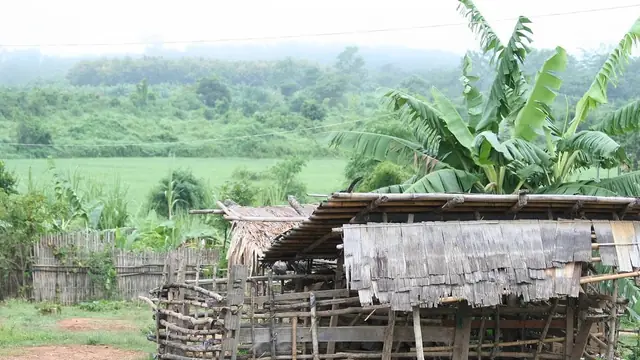
In parts of the Visayas and Mindanao, farmers use elevated bamboo platforms ("sungkod nga kawayan") for pig pens. The pen sits 60–80 cm above ground on wooden or concrete posts.
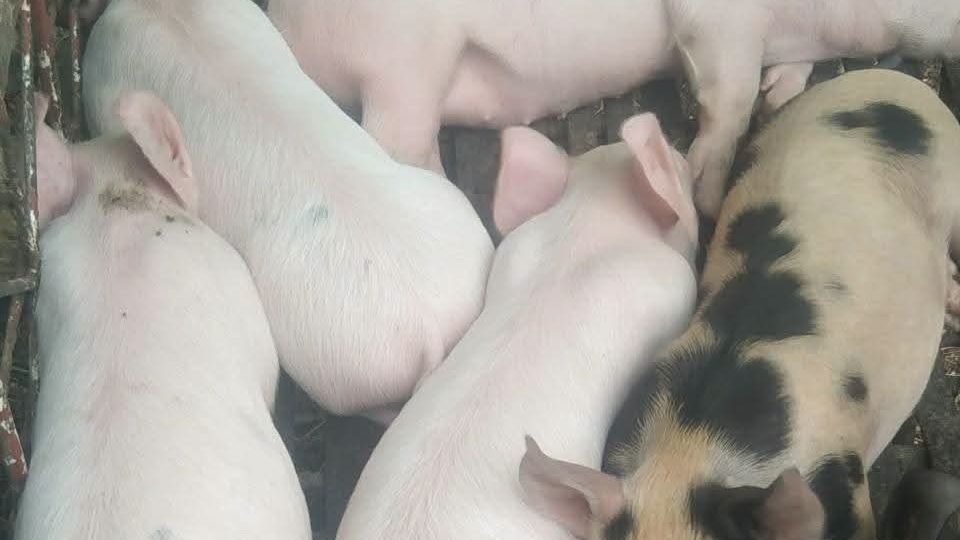
Advantages: Excellent natural drainage (waste falls through), good ventilation from below, cooler than concrete, low cost.
Disadvantages: Bamboo rots within 2–3 years (faster in wet areas). Must be replaced regularly. Not suitable for heavy pigs (80+ kg). Risk of collapse. Requires treated bamboo (soaked in borax solution) to extend life.
Best for native pigs and lighter breeds in rural areas where bamboo is abundant and free.
Compacted Earth: When Budget Is Zero
Some backyard farmers start with nothing but packed earth. This works temporarily but creates serious problems during the wet season: mud, parasites, standing water, and pigs that are constantly dirty.
If starting with earth, at least:
- Raise the pen floor 15–20 cm above surrounding ground level
- Pack gravel underneath for drainage
- Plan to upgrade to concrete when budget allows
Critical Design Details
Slope and drainage
The single most important detail is slope. A 3% slope means the floor drops 3 cm for every 1 meter of length. For a 3-meter pen, that is a 9 cm height difference from back to drain.
Without proper slope, you will be pushing urine and wash water with a broom every time you clean. With proper slope, gravity does the work.
Drain channel
Run a drainage channel along the lower edge of the pen that channels waste water to your collection pit (settling tank, biogas digester, or composting area). Use a 4-inch PVC pipe or an open concrete channel with a removable grille.
Never drain waste directly into a creek, river, or neighbor's property. This violates RA 9275 (Clean Water Act) and carries fines starting at ₱10,000 per day of violation, plus DENR-DAO 2003-30 requires environmental compliance certificates for piggeries above 21 sows. FAO's own pig housing chapter puts pen floors at a 2 to 3% fall toward the manure alley and the alley at 3 to 5% toward the drains.
What Bad Flooring Actually Costs You
Most farmers underestimate the hidden cost of cheap flooring. The pen pays for itself or bleeds you in vet bills, depending on the floor.
| Problem caused by floor | Typical incidence on bad floors | Cost per affected pig |
|---|---|---|
| Foot rot / lameness | 5–15% of finishers | ₱400–800 (Penstrep + 2-week growth setback) |
| Sow leg injury (smooth concrete) | 1 in 10 sows over 3 farrowings | ₱8,000–15,000 (early cull, lost litters) |
| Bamboo collapse injury | 1–2 events per pen per year | ₱2,500–5,000 (treatment or salvage slaughter) |
| Mud-borne parasites (earth) | 30–50% of herd in wet season | ₱100–250 per pig (extra deworming + ADG loss) |
A ₱10,000 concrete upgrade on a 5-head pen pays back in one cycle if it prevents a single sow leg injury or an outbreak of foot rot. This is why most farmers I have talked to who started on packed earth eventually paid for the concrete, even if it took 2-3 cycles to save up. They got tired of the wet-season mud and the constant deworming bills.
A Realistic Upgrade Path
Not every farmer can afford ₱30,000 in concrete on day one. Here is the staged path I have seen actually work:
- Year 1 (₱2,000-5,000): Raised packed earth with gravel base, 15-20 cm above ground. Plastic sheeting and a small drainage trench to a soak pit. Acceptable for native pigs and dry-season starts.
- Year 2 (₱8,000-15,000): Pour a concrete slab in the resting area only. Keep the dunging area on packed earth with gravel. This gives the pig a clean dry place to lie down, which is where most foot problems get prevented.
- Year 3+ (₱20,000-40,000): Full concrete pen with sloped floor, 4-inch slab, drain channel, and footbath tray. A 9 sq m pen at ₱1,000/sq m runs ₱9,000 in concrete plus ₱4,000-6,000 in labor and rebar.
Free Tool
Pen Space Calculator
Size the slab before you buy cement. Plug in your batch and stage and the calculator returns total floor area, which lines up directly with the per-sq-m concrete prices above.
The DA's INSPIRE program and LandBank's livestock loans (5-9% interest, up to ₱500,000) can finance a one-step jump from earth to full concrete if you have a viable batch plan. Most LGU agriculture offices in Bukidnon, Iloilo, and Davao del Sur also have small construction-materials grants for registered backyard farmers.
Common Mistakes
- Too-thin concrete (less than 4 inches). Pigs root it up within months.
- No slope. The most common construction error. Urine pools, ammonia rises, foot rot develops.
- Smooth tiles or epoxy. Looks clean but causes leg injuries when wet. Pigs need traction.
- Bamboo floors not replaced when rotting. Collapse injuries, broken legs, and pigs falling through into the manure pit below.
- No drain grille. Solids block the drainage channel within days, then waste backs up.
- Slope toward the gate, not the drain. Wash water runs into the alleyway. Always slope to the lowest corner where the drain pipe exits.
Bisaya / Cebuano
Para sa mga mag-uuma: Salog sa tangkal sa baboy
Pinakamaayo para sa kadaghanan: Semento (concrete) nga 4 ka pulgada ang gibag-on, 3% ang palusot paingon sa drain.
- Dili flat. Kinahanglan og tuyok ang tubig gikan sa likod paingon sa drain
- Dili smooth kaayo. Masulayan ang baboy. Dili pod rough kaayo. Magasgasan ang tiyan
- Sa ting-init, basahi ang salog 2–3 ka beses sa usa ka adlaw para dili mo-init kaayo
Kung walay budget sa semento: Gamita ang kawayan (bamboo) nga gi-elevate. Maayo ang hangin ug drainage, pero kinahanglan ilisan kada 2–3 ka tuig.
"Ang salog mao ang pundasyon sa tangkal." (The floor is the foundation of the pen.) Kung sayop ang salog, daghan ang problema sa baboy.
Learn More
- How to build a backyard piggery, complete construction guide
- 5 pig pen designs and layouts for Philippine conditions, full pen plans from 3-head backyard to 50-head semi-commercial with floor-slope and drainage placement
- Can you raise pigs in a small backyard?, space and permit requirements
- Pen Space Calculator, calculate floor area needed
Sources: DA-BAI Guidelines for Backyard Piggery Construction, PCAARRD Swine Production, FAO Farm Structures in Tropical Climates, Ch.10 Pig Housing, Republic Act 9275 (Philippine Clean Water Act), DENR Administrative Order 2003-30. Hardware prices from Wilcon Depot and DIY Cebu surveys (accessed May 2026).