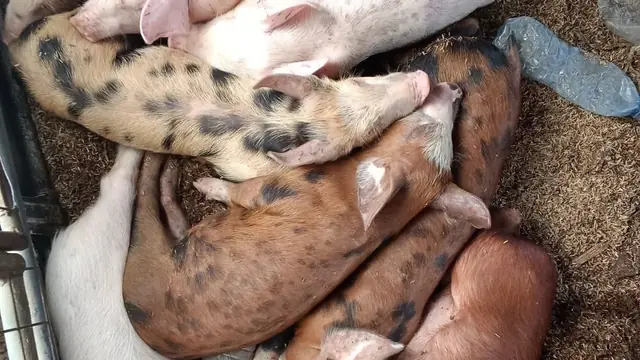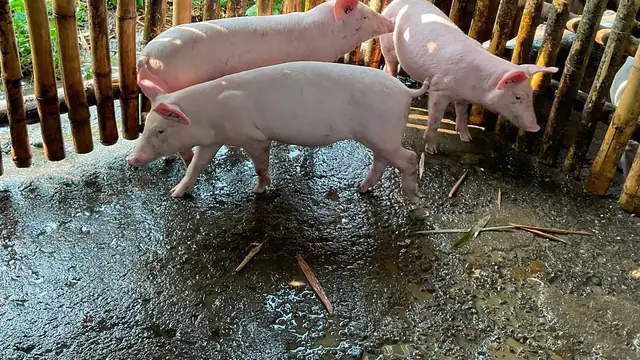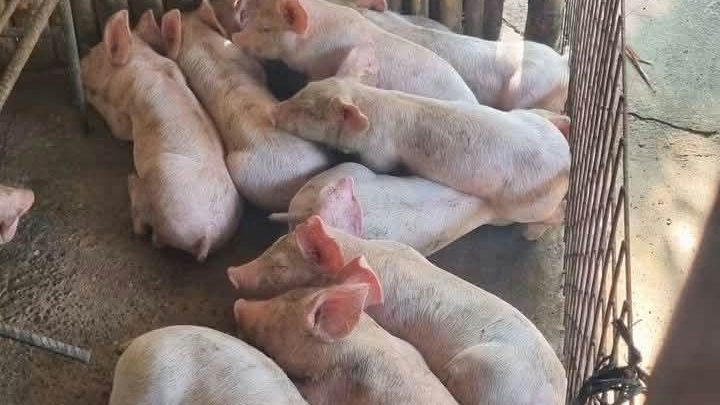
Getting a backyard piggery legal in the Philippines costs ₱500 to ₱3,000 total for under 20 heads. You need three things: barangay clearance (₱100-₱500/year), MAO registration (usually free), and a DENR Certificate of Non-Coverage (₱1,000-₱3,000). Skip these, and one neighbor complaint can cost you ₱10,000-₱50,000 in fines.
"Ayaw paghulat nga magreklamo ang silingan, ayuha na daan ang papeles." (Don't wait for the neighbor to complain, fix the paperwork first.)
Why Permits Matter (Even for Small Operations)
The practical reality for backyard piggeries:
- 3–5 pigs in a rural barangay, most LGUs will not bother you if your waste management is decent and no one complains
- 6–20 pigs you are in the gray zone where enforcement depends entirely on your neighbors and barangay officials
- 21+ pigs you are legally classified as a commercial operation in most LGUs and need full compliance
But "most LGUs will not bother you" is not a legal strategy. A single odor complaint can trigger an inspection, and if you have no permits at all, you have zero defense. Getting at least the basic permits gives you legal standing if disputes arise.
The other reason: insurance and financing. If you ever want to access DA loan programs, municipal livelihood grants, or agricultural insurance (PCIC), you need proof of registration.
The Three Permits You Need
1. Barangay Clearance
This is your first stop and the easiest to get.
What it is: Written permission from the barangay captain that your piggery operation is allowed in your location. Some barangays call it a "Barangay Business Clearance" even for backyard operations.
How to get it:
- Visit the barangay hall and ask for a livestock clearance or business clearance form
- Fill out basic information: name, address, number of pigs, pen location
- A barangay official may inspect your pen site (or just ask you to describe it)
- Pay the fee and get your clearance
Cost: ₱100–₱500 depending on the barangay. Some rural barangays charge nothing.
Validity: Usually 1 year, renewable.
Reality check: In many rural barangays in Leyte, Samar, and Mindanao provinces, this process takes 30 minutes and one trip. In urban barangays in Cebu City or Davao City, expect more paperwork and possibly a site inspection before approval.
2. Municipal/City Agriculturist Office (MAO/CAO) Registration
What it is: Registration with the Municipal or City Agriculturist Office. This puts you on the DA's radar for disease surveillance, vaccination campaigns, and, importantly, makes you eligible for government assistance programs.
How to get it:
- Bring your barangay clearance to the MAO
- Fill out the livestock registration form (species, count, location, waste management method)
- Some MAOs will schedule a pen inspection; many will not for small operations
- You receive a Certificate of Registration or Livestock Farmer Registration
Cost: Free in most municipalities. Some charge ₱100–₱300 for the certificate.
Why it matters beyond compliance: Registered farmers get priority access to:
- Free vaccinations during hog cholera and ASF prevention campaigns
- Subsidized feeds during price spikes
- Boar loan programs from PCAARRD and DA regional offices
- Indemnification payments if your herd is culled during disease outbreaks
If your pigs get culled during an ASF response and you are not registered, you have no basis to claim compensation.
3. Environmental Compliance
This is where it gets complicated. Requirements vary a lot depending on your operation size and LGU.
For backyard operations (under 21 heads):
- Most LGUs require only a "Certificate of Non-Coverage" (CNC) from the DENR-EMB, which means your operation is too small to need a full Environmental Compliance Certificate (ECC)
- The CNC is essentially a document saying you do not need an ECC
- Cost: ₱1,000–₱3,000 including processing
For small commercial operations (21–100 heads):
- You typically need an ECC from DENR-EMB
- This requires an Initial Environmental Examination (IEE) describing your waste management plan, water usage, and odor mitigation
- Cost: ₱5,000–₱15,000 including consultant fees if you hire help
For larger operations (100+ heads):
- Full Environmental Impact Statement (EIS) may be required
- This is a serious document requiring professional preparation
- Cost: ₱50,000–₱200,000+
For most readers of this guide, those with backyard piggeries under 20 heads, the CNC is all you need.
Complete Permit Requirements by Operation Size
| Requirement | Backyard (1–5 heads) | Small Backyard (6–20 heads) | Small Commercial (21–100 heads) | Commercial (100+ heads) |
|---|---|---|---|---|
| Barangay Clearance | Required | Required | Required | Required |
| MAO/CAO Registration | Recommended | Required | Required | Required |
| DENR CNC | Optional | Recommended | Superseded by ECC | Superseded by ECC |
| DENR ECC (via IEE) | Not required | Not required | Required | Superseded by EIS |
| DENR ECC (via EIS) | Not required | Not required | Not required | Required |
| Business Permit (Mayor's Office) | Not required | Varies by LGU | Required | Required |
| BIR Registration | Not required | Not required | Required | Required |
| DA-BAI Accreditation | Not required | Not required | Recommended | Required |
| Waste Management Plan | Informal | Written plan | Formal plan | Formal plan with monitoring |
| Typical Total Cost | ₱100–₱500 | ₱500–₱3,000 | ₱10,000–₱30,000 | ₱50,000+ |
Note: "Required" vs "Recommended" depends on your specific LGU. Some municipalities mandate MAO registration for any livestock; others only enforce it above a certain head count. When in doubt, register, it is free or cheap and protects you.
Distance Requirements: The Rules That Vary Most
Distance setbacks are the single most confusing regulation because they differ between every LGU. Here are the general guidelines from DA-BAI and DENR, but always check your specific municipal or city ordinance.
| Distance From | Rural Areas | Urban/Suburban Areas | Authority |
|---|---|---|---|
| Nearest neighbor's dwelling | 25–50 meters | 50–100 meters | LGU ordinance (varies) |
| Water source (well, creek, spring) | 50 meters minimum | 50–100 meters | DENR water quality regulations |
| Public road or highway | 10–15 meters | 15–25 meters | LGU zoning |
| School, church, or public building | 50 meters | 100 meters | LGU ordinance |
| Your own house/kitchen | 10 meters | 10–25 meters | DA-BAI guidelines |
| Another pig farm | 500 meters+ | Not typically allowed | DA-BAI biosecurity |
| River or major waterway | 20–50 meters | 50 meters+ | DENR EMB |
Reality in Dense Barangays
In places like Cebu City, Mandaue, Lapu-Lapu, and parts of Metro Davao, meeting a 50-meter setback from neighbors is physically impossible. Most lots are 100–200 square meters total.
LGUs in dense areas typically handle this in one of three ways:
- Strict enforcement: No livestock allowed in residential zones (common in highly urbanized cities)
- Conditional tolerance: Small operations (3–5 pigs) allowed if waste management prevents odor (common in Davao suburban areas)
- Informal non-enforcement: Nobody checks until someone complains (common in many provincial towns)
If you are in a dense area and want to raise pigs in a small backyard, focus on waste management first. An odor-free operation with a neighbor 15 meters away causes fewer problems than a smelly one with a neighbor 50 meters away.
Waste Management Requirements
Waste management is where most backyard piggeries fail compliance, and where most neighbor complaints originate.
What LGUs Typically Require
Minimum (backyard operations):
- Solid waste (manure) collected and disposed of properly, not dumped into waterways or drainage canals
- Liquid waste (wash water, urine) directed to a drain or soak pit, not flowing into public areas
- No evidence of open dumping or discharge to waterways
Standard (small commercial):
- Written waste management plan on file with MAO and DENR
- Settling tank or biodigester for liquid waste
- Designated manure storage or composting area
- Regular desludging schedule for settling tanks
Practical Solutions for Backyard Farms
The cheapest compliant system for a 5–10 pig operation:
- Concrete drainage channel from pen to a settling tank (2–3 ring concrete pipe sections, ₱2,000–₱4,000)
- Solid manure composting area a covered concrete pad where you pile manure for decomposition. Pig manure composting done right produces fertilizer worth ₱5–₱15 per kilo
- Simple grease trap before the settling tank to capture solids
This system costs ₱5,000–₱15,000 to build and satisfies most barangay-level inspections.
"Ang hugaw sa baboy, abono sa tanum, kung maayo ang pagbuhat." (Pig waste is plant fertilizer, if done right.)
Penalties for Non-Compliance
Penalties vary by LGU, but here is what you can face:
| Violation | Typical Penalty | Who Enforces |
|---|---|---|
| No barangay clearance | ₱500–₱5,000 fine; closure order | Barangay officials |
| Odor/nuisance complaint (substantiated) | Warning first, then ₱1,000–₱10,000 fine | Barangay + LGU health office |
| Waste discharge to waterway | ₱10,000–₱50,000 fine; DENR case | DENR-EMB + LGU ENRO |
| Operating commercial-scale without ECC | ₱50,000–₱200,000 fine; closure | DENR-EMB |
| Violation of zoning ordinance | Closure order + demolition of structure | LGU zoning office |
| Repeat offenses after warning | Permanent closure + confiscation | LGU + DA |
The most common enforcement pattern: nothing happens until a complaint is filed. Then the barangay mediates. If mediation fails, the complainant can escalate to the municipal/city level. At that point, if you have no permits, the default action is a closure order.
Having your permits in order does not make you immune to complaints, but it gives you legal standing to negotiate and demonstrate good faith.
Step-by-Step Registration Process
Here is the practical sequence for getting legal, starting from zero:
Week 1: Barangay Level
- Visit barangay hall, request livestock clearance form
- Prepare a simple sketch of your pen location relative to neighbors, water sources, and roads
- If asked, show your waste management setup (even a basic composting pile counts)
- Pay fee, get clearance
Week 1–2: Municipal Agriculturist
- Bring barangay clearance to MAO office
- Register as livestock farmer
- Ask about upcoming vaccination campaigns, this alone makes the trip worthwhile
- Ask about boar loan programs and DA livelihood assistance
Week 2–4: Environmental (If Needed)
- For under 21 heads: apply for CNC at DENR-EMB regional office (or sometimes through the municipal ENRO)
- Bring barangay clearance, MAO registration, and a simple description of your waste management
- Processing takes 1–3 weeks in most regional offices
Ongoing
- Renew barangay clearance annually
- Update MAO registration when herd size changes significantly
- Keep records of manure disposal and any waste management maintenance
Special Cases
Renting Land for Your Piggery
If you do not own the land, you need the landowner's written consent in addition to all other permits. Most barangays require a notarized "Consent to Operate Livestock" from the lot owner before issuing clearance.
Near ASF Zones
In areas with recent ASF outbreaks, additional requirements may apply:
- Mandatory registration with DA regional quarantine
- Movement permits for buying or selling live pigs
- Biosecurity protocols documented and posted at the farm entrance
- Regular disease reporting to the provincial veterinarian
What Happens When a Neighbor Complains
The typical complaint sequence in Philippine barangays:
- Verbal complaint to barangay captain, most common starting point
- Barangay mediation (Katarungang Pambarangay), both parties meet, attempt to resolve
- Barangay resolution if mediation fails, the barangay issues a resolution (may require you to reduce herd, improve waste management, or cease operations)
- Escalation to LGU if you do not comply with the barangay resolution, or the complainant is unsatisfied
- Municipal/city enforcement formal inspection, citation, fines, or closure order
At step 2, having permits and a documented waste management system makes a huge difference. You can demonstrate compliance and good faith. Without permits, you are operating illegally and have no defense.
Prevention is cheaper than compliance after a complaint. Talk to your closest neighbors before you start. Explain your plan. Offer them composted manure for their garden. Keep the pen clean. Honestly, these small gestures prevent 90% of complaints.
Bisaya / Cebuano
Para sa mga mag-uuma (For farmers)
Kung nag-alaga ka og baboy sa imong backyard, kinahanglan nimo kining mga papeles:
- Barangay Clearance adto sa barangay hall, ₱100–₱500 ra ang bayad, usa ka adlaw lang makuha
- MAO Registration libre sa kadaghanan nga munisipyo, importante ni para sa libre nga bakuna ug DA assistance
- DENR CNC kung ubos sa 21 ka baboy, kini ra ang kinahanglan, dili pa kinahanglan og ECC
Ang pinaka-importante: ayuha ang hugaw sa baboy (manage the waste properly). Ang baho mao ang number one nga rason ngano magreklamo ang silingan. Kung walay baho, halos walay problema.
Kung naay moreklamo: ayaw kahadlok, pero ayaw sab og ignore. Adto sa barangay mediation dala ang imong mga papeles.
Learn More
- How to build a backyard piggery in the Philippines, pen design, drainage, and construction that meets LGU standards
- Raising pigs in a small backyard, making it work in tight spaces
- Pig manure composting and fertilizer, turn your waste management into a revenue stream
- Pen Space Calculator, size your pen based on herd count and LGU requirements
- FAO ASF situation updates for Asia and the Pacific, quarantine and movement control context
- FAO Farm Structures in Tropical Climates, Ch.10 Pig Housing, space allowances and floor standards for pig housing
Sources: Department of Agriculture Bureau of Animal Industry (DA-BAI) Guidelines on Backyard Livestock Operations, DENR-EMB Environmental Compliance Guidelines for Agricultural Operations, FAO Livestock Environment Assessment and Performance (LEAP) Guidelines, Philippine Clean Water Act (RA 9275) implementing rules, Local Government Code of 1991 (RA 7160) Chapter 3 on local regulatory powers, ThePigSite housing and environment standards.